Do you want to lose weight without constantly depriving yourself, maintain your energy throughout the day, and sustainably improve your body composition? Understanding and optimizing your metabolism is the key to naturally achieving these goals. Unlike restrictive diets that slow down your ability to burn calories, increasing your basal metabolism transforms your body into a true energy machine, even at rest. Discover in this article how physical activity, strategic nutrition, and lifestyle habits can revolutionize your calorie expenditure and help you build a more efficient body in the long run.
Summary
- Understanding metabolism and how it works
- Factors that influence your metabolism
- Nutrition: strategies to accelerate your metabolism
- Physical activity: the most powerful lever
- Lifestyle habits and metabolic optimization
Understanding metabolism and how it works
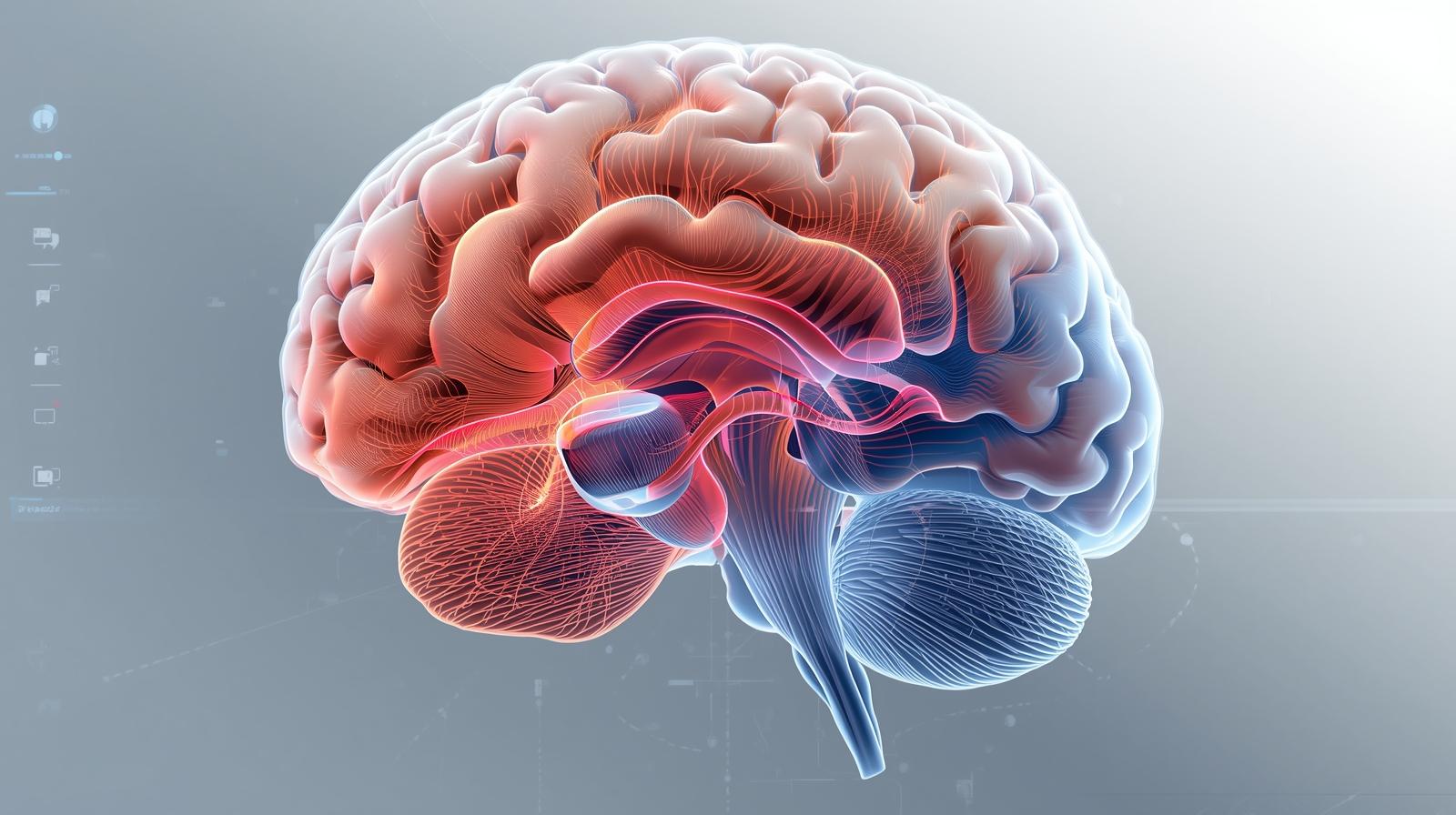
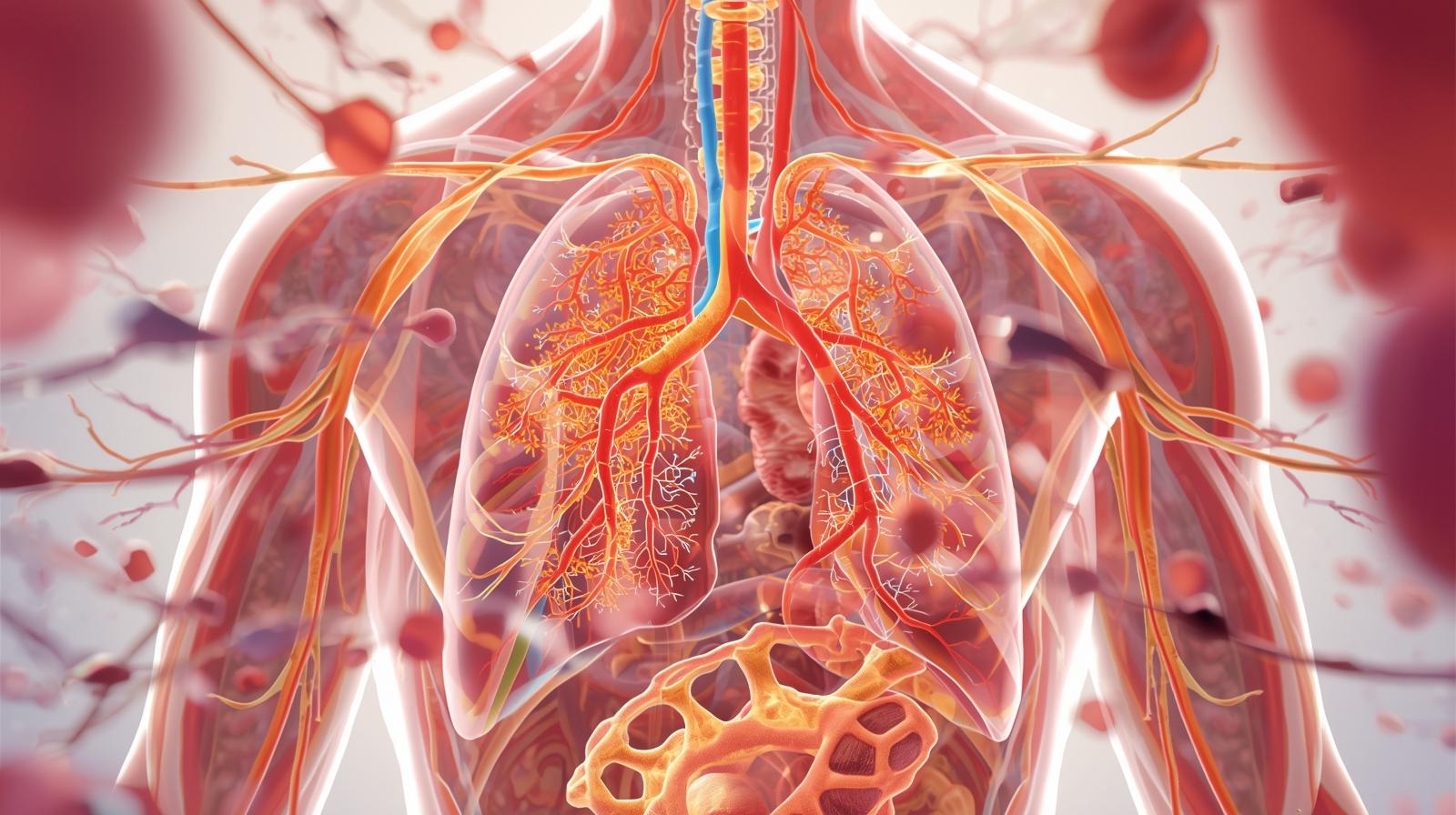
Metabolism refers to all the biological processes by which your body transforms food into usable energy. This complex machinery operates continuously, whether you are active or at rest, to maintain your vital functions and fuel every physical activity. Increasing your metabolism simply means allowing your body to burn more calories throughout the day, thereby facilitating weight loss and improving your body composition.
Metabolism consists of two complementary mechanisms: catabolism, which breaks down nutrients to produce energy, and anabolism, which uses that energy to build and repair body tissues. These processes determine the rate at which you burn calories and your ability to maintain a stable weight. The faster your metabolism, the more energy your body consumes to function, thus reducing fat storage.
Basal metabolism and active metabolism
Your total energy expenditure is divided into two main categories that work in synergy. The basal metabolism, also called basal metabolic rate, represents the energy spent at rest to sustain your vital functions such as breathing, blood circulation, organ function, and maintaining body temperature. This component accounts for 50 to 70% of your daily calorie expenditure, even when you do nothing.
Active metabolism encompasses all the calories burned during your daily activities, whether sports exercises, commuting, or simply everyday movements. This portion of metabolism is the one you can most directly influence to increase your energy expenditure. The goal of a metabolic optimization strategy is to act simultaneously on these two levers to maximize calorie burn over 24 hours.
Factors that influence your metabolism
Elements beyond your control
Several factors naturally determine the speed of your metabolism, regardless of your efforts. Age is one of the main factors: from 30 years old, basal metabolism gradually decreases by about 2 to 3% per decade, mainly due to the natural loss of muscle mass. This physiological reality explains why it becomes more difficult to maintain weight with age.
Genetics also play a significant role in your basal metabolic rate. Some people naturally inherit a faster metabolism, allowing them to burn more calories at rest. Gender also influences metabolism: men generally have a higher basal metabolic rate than women because they proportionally have more muscle mass and less fat mass. Hormones, especially those produced by the thyroid gland, directly regulate the speed of your metabolism and any hormonal dysfunction can significantly slow it down.
Levers at your disposal
Fortunately, many metabolic factors remain under your direct control. Body composition is the most powerful lever: each kilogram of muscle burns about 13 calories per day at rest, compared to only 4 calories for one kilogram of fat. By increasing your muscle mass, you automatically raise your basal metabolism, creating a virtuous circle where your body consumes more energy even during sleep.
Regular physical activity immediately boosts your energy expenditure and triggers lasting metabolic adaptations. Food choices also influence your metabolism via the thermic effect of food: your body spends energy to digest, absorb, and process nutrients. Sleep quality, stress level, and hydration directly impact metabolic efficiency. These modifiable factors constitute your room for maneuver to transform your body into a calorie-burning machine.
Nutrition: strategies to accelerate your metabolism

The thermic effect of food and proteins
Not all nutrients are equal in terms of metabolic impact. The thermic effect of food refers to the energy your body spends to digest and assimilate what you eat, representing about 10% of your total energy expenditure. Proteins stand out in particular: they require 20 to 30% of their caloric intake solely to be transformed, compared to 5 to 10% for carbohydrates and 0 to 3% for lipids.
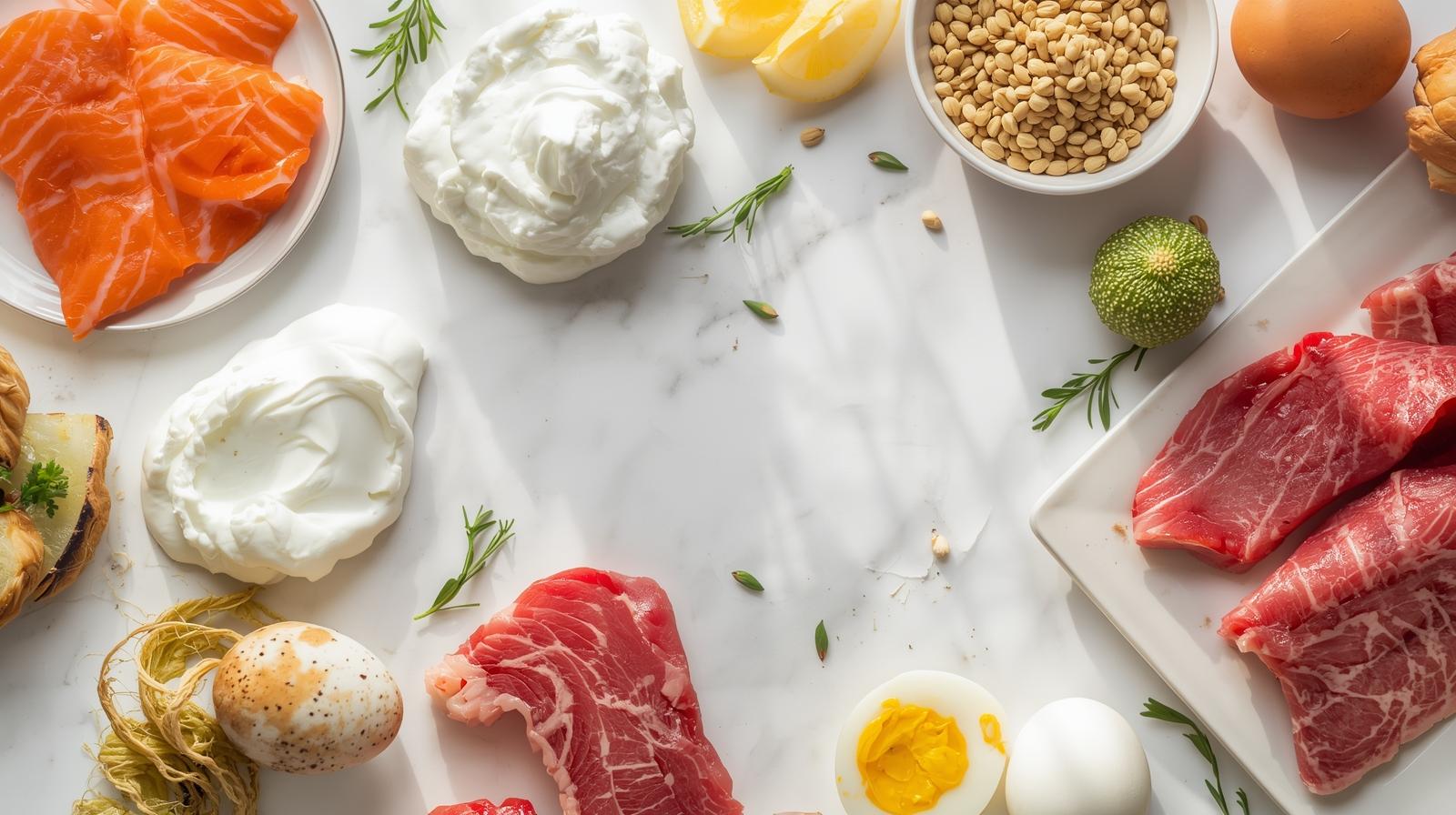
Integrating quality protein sources into every meal naturally stimulates your metabolism. Eggs for breakfast, chicken or fish for lunch, legumes for dinner are excellent choices. Beyond their thermic effect, proteins support the maintenance and development of muscle mass, creating a double benefit for your basal metabolism. They also provide lasting satiety that reduces cravings and limits excessive calorie intake.
Foods that boost metabolism
Certain foods have particular properties to stimulate your energy expenditure. Green tea and matcha contain catechins and EGCG which increase fat burning and promote thermogenesis. Coffee, thanks to its caffeine, can increase basal metabolism by 3 to 11%, particularly effective before a training session to maximize calorie burn.
Spices like cayenne pepper, ginger, and turmeric contain bioactive compounds that activate thermogenesis and temporarily increase energy expenditure. Fiber-rich foods, found in vegetables, legumes, and whole grains, require more energy to be digested and support a healthy gut microbiome, essential for optimal metabolism. Cold water also stimulates metabolism as your body spends energy warming it to body temperature.
| Strategy | Concrete actions | Metabolic impact |
|---|---|---|
| Increase proteins | Aim for 1.6 to 2g of protein per kilogram of body weight, spread across all meals, favor eggs, poultry, fish, legumes | High thermic effect (20-30%), muscle mass maintenance, prolonged satiety |
| Optimize hydration | Drink 2 to 3 liters of water per day, favor cold water, drink before each meal | Improved biochemical reactions, thermogenesis stimulation, hunger reduction |
| Integrate thermogenic foods | Daily green tea or matcha, moderate coffee (2-3 cups), spicy spices, fiber-rich foods | Increase basal metabolism by 3-11%, enhanced fat burning |
| Avoid excessive restrictions | Maintain sufficient caloric intake, do not go below basal metabolism, favor a mild deficit (300-500 kcal) | Prevention of energy-saving mode, muscle mass preservation, stable metabolism |
| Divide meals | 5 to 6 small balanced meals rather than 2-3 large ones, include protein snacks | Maintains active metabolism throughout the day, better glycemic regulation |
Dietary pitfalls to avoid
Drastic low-calorie diets represent the biggest metabolic trap. When you reduce your calorie intake too abruptly, your body interprets this restriction as famine and activates an energy-saving mode. Your metabolism slows down, your body favors fat storage, and selectively breaks down your muscle mass to preserve its reserves. This adaptation, although it helps you survive, completely sabotages your weight loss goals.
The rebound effect after a restrictive diet is precisely explained by this metabolic slowdown: once you return to a normal diet, your metabolism remains lowered for weeks or even months, favoring weight regain even greater than before the diet. Prefer instead a moderate caloric deficit of 300 to 500 calories per day, coupled with regular physical activity to preserve your muscle mass and maintain a high metabolism throughout your body transformation.
Physical activity: the most powerful lever

Weight training to increase basal metabolism
Weight training is the most effective strategy to sustainably raise your basal metabolism. Each muscle-strengthening session stimulates protein synthesis and triggers micro-injuries that require energy to repair. This muscle rebuilding process keeps your metabolism elevated for 48 to 72 hours after training, allowing you to burn calories even while sleeping.
Basic exercises such as squats, deadlifts, bench presses, and pull-ups simultaneously engage several muscle groups, maximizing energy expenditure and anabolic hormone production. You do not need to lift extreme weights to get results: two to three 45-minute sessions per week, with bodyweight exercises or moderate loads, are enough to progressively develop your muscle mass and significantly increase your basal metabolism.
Intensive cardio and the afterburn effect
HIIT, or high-intensity interval training, is a remarkably effective method to boost your metabolism. This approach alternates short phases of maximal effort (20 to 40 seconds) with periods of active recovery (10 to 20 seconds). The high intensity creates an oxygen debt activating the EPOC effect (Excess Post-exercise Oxygen Consumption), commonly called the afterburn effect.
After a HIIT session, your body continues to consume oxygen at an accelerated rate to restore balance, burning up to 100 extra calories within 24 hours after exercise. Studies show that 20 minutes of HIIT generates a total energy expenditure greater than 40 minutes of moderate-intensity cardio. Classic aerobic activities like running, cycling, swimming, or brisk walking effectively complement this strategy by mobilizing fat reserves and improving your cardiovascular capacity.
Moving daily: non-exercise activity thermogenesis
Beyond structured workout sessions, your daily movements significantly contribute to your total energy expenditure. Non-exercise activity thermogenesis refers to all the calories burned through daily activities: walking, climbing stairs, cleaning, gesturing, maintaining posture. These small accumulated movements can represent up to 400 calories per day depending on your activity level.
Turn your habits into movement opportunities: choose stairs over the elevator, park further away, walk or bike short errands, use a standing desk, get up regularly if you work sitting down. Consistency matters more than intensity for this type of activity: staying active throughout the day keeps your metabolism high and prevents the energy dips typical of sedentary lifestyles.
Lifestyle habits and metabolic optimization
Sleep: foundation of your metabolism
Quality sleep is a fundamental pillar for maintaining optimal metabolism. While you sleep, your body regulates the hormones that control your appetite and metabolism: leptin, which signals satiety, and ghrelin, which stimulates hunger. Lack of sleep disrupts this hormonal balance, increasing ghrelin and decreasing leptin, which intensifies cravings and slows your metabolism.
Research shows that chronic sleep deprivation reduces basal metabolism by 5 to 20% and promotes muscle mass loss in favor of fat mass, even when maintaining the same caloric intake. Aim for 7 to 9 hours of quality sleep each night by establishing a regular routine: go to bed and get up at fixed times, limit screens before bedtime, keep your room cool and dark. Restorative sleep optimizes muscle recovery, hormone production, and allows your metabolism to function at full capacity.
Managing stress to preserve your metabolism
Chronic stress is a silent saboteur of your metabolism. When you are stressed, your body secretes cortisol, a hormone that promotes abdominal fat storage and slows metabolism. Elevated cortisol levels over time also increase cravings for sugar and comfort foods, creating a vicious cycle that compromises your metabolic optimization efforts.
Integrate stress management practices into your daily routine: meditation, deep breathing, yoga, nature walks, creative activities, or simply moments of disconnection. These practices lower cortisol levels, improve sleep quality, and allow your metabolism to function effectively. Heart coherence, practiced for 5 minutes three times a day, is a simple and scientifically validated technique to regulate your nervous system and maintain a hormonal balance favorable to a high metabolism.
Hydration and gut health
Water plays a crucial role in practically all metabolic reactions in your body. Even mild dehydration slows basal metabolism and reduces physical performance. Drinking 2 to 3 liters of water daily supports the elimination of metabolic waste, facilitates digestion, and activates thermogenesis, especially when you consume cold water that your body must warm up.
The health of your gut microbiome also influences your metabolism and your ability to maintain a stable weight. The billions of bacteria inhabiting your gut participate in digestion, nutrient absorption, and inflammation regulation. An imbalanced microbiome can slow your metabolism and promote fat storage. Feed your gut flora with fermented foods (yogurt, kefir, sauerkraut), prebiotic fibers (vegetables, fruits, legumes), and limit ultra-processed foods that impoverish bacterial diversity.
Advanced metabolic optimization strategies
Certain nutritional approaches can temporarily stimulate your metabolism. Intermittent fasting, which involves concentrating your meals within an 8 to 10-hour window, improves insulin sensitivity and promotes the use of fat as an energy source. Contrary to popular belief, fasting periods of 16 to 18 hours do not lower metabolism but can increase it by up to 14% thanks to the elevation of noradrenaline.
Strategic “cheat meals,” a higher-calorie meal once a week after a period of moderate deficit, can also temporarily boost your metabolism by signaling to your body that food resources remain abundant. This psychological and physiological approach prevents metabolic adaptation that occurs during prolonged restrictions. Cold exposure, through cold showers or immersion in cold water, activates brown adipose tissue which burns calories to produce heat, temporarily increasing your energy expenditure.
Sustainably increasing your metabolism requires a global approach combining regular weight training, protein-rich nutrition, quality sleep, and stress management. Rather than seeking miracle solutions, focus on these fundamental habits that gradually transform your body composition and raise your basal metabolism. Your body has a remarkable capacity to adapt: by providing the right stimuli through exercise, nutrition, and a balanced lifestyle, you create optimal conditions to become a true calorie-burning machine, even at rest. Start today by integrating one of these strategies, then progressively add others to build a powerful and sustainable metabolism.