How to add years to your life while preserving your vitality? Longevity is not just about accumulating years, but about maintaining an optimal quality of life for as long as possible. While the average life expectancy is increasing in developed countries, the real challenge today lies in healthy life expectancy. Between blue zones where centenarians thrive, recent scientific discoveries, and transformative lifestyle habits, discover the keys to aging in good shape and giving your body the best chances to go through the decades with energy and serenity.
Summary
- Understanding longevity: definition and current challenges
- Blue zones: exceptional territories and secrets of centenarians
- Fundamental pillars of successful longevity
- Diet and longevity: eating to live to 100
- Lifestyle and daily habits for healthy aging
Understanding longevity: definition and current challenges
Longevity refers to the lifespan of an individual or a group, but the concept today goes far beyond a simple measurement in years. It is about living a long time in good health, maintaining autonomy, physical and mental capacities as long as possible. This distinction between life expectancy and healthy life expectancy represents the major challenge of modern societies.
Life expectancy has seen remarkable progress over the last two centuries. In France, it rose from about 40 years in 1840 to over 82 years today. This spectacular increase results from advances in medicine, improved hygiene, nutrition, and general living conditions. However, research shows that our lifestyle influences our longevity by more than 70%, much more than our genetic heritage.
The term potential longevity refers to the maximum lifespan an individual could reach under ideal conditions, without disease or accident. For humans, this limit lies between 110 and 122 years, with the record held by the Frenchwoman Jeanne Calment who lived 122 years. But the goal is not only to reach an advanced age: it is about preserving quality of life throughout the journey.
Blue zones: exceptional territories and secrets of centenarians
What is a blue zone?
Blue zones refer to regions of the world where the concentration of centenarians far exceeds the global average. The concept was created in 2000 by Belgian demographer Michel Poulain and Italian academic Gianni Pes, who discovered an exceptional number of male centenarians in Sardinia. By outlining these villages in blue ink on a map, they gave birth to this appellation that now fascinates the entire world.
These territories share common characteristics that explain the exceptional longevity of their inhabitants: a sunny and airy environment, often located at altitude or near the sea, strong social ties, physical activity naturally integrated into daily life, and a preserved traditional diet. The centenarians of these zones do not actively seek to live long: it is their environment and lifestyle that naturally allow them to reach advanced ages in great shape.
The five recognized blue zones in the world
| Blue Zone | Location | Particularities |
|---|---|---|
| Sardinia (Province of Nuoro) | Italy | Mountain villages where men have the same life expectancy as women (rare in the world). Preserved Mediterranean diet, physical activity linked to pastoralism, very strong intergenerational family ties. |
| Okinawa | Japan | Traditional diet rich in vegetables and low in calories, social system “moai” (mutual support group), philosophy of “ikigai” (reason for being). Note: longevity declines in generations born after 1945 adopting a Western diet. |
| Ikaria | Greece | Mountainous island in the Aegean Sea, Mediterranean diet rich in olive oil and vegetables, regular naps, intense social life, consumption of local herbal teas. |
| Nicoya Peninsula | Costa Rica | Mestizo population living according to the “Pura Vida” philosophy, significant sun exposure, traditional diet based on corn and beans, strong sense of community. Note: recent dietary changes threaten this longevity. |
| Loma Linda | California, United States | Seventh-day Adventist community following a vegetarian diet, abstinence from alcohol and tobacco, regular spiritual practice, strong community engagement. |
Lessons to learn from blue zones
Centenarians from blue zones share remarkably similar lifestyle habits despite their geographical and cultural differences. They do not go to gyms, do not count calories, and do not follow restrictive diets. Their secret lies in a lifestyle where good habits are naturally integrated into daily life.
These populations move constantly through their daily activities: gardening, walking for transportation, manual work, climbing hills or stairs. Their diet mainly consists of locally grown plants, with meat consumed occasionally during celebrations. Social ties occupy a central place, with multiple generations living under the same roof or nearby, offering mutual support and a sense of belonging. Finally, these centenarians all have a purpose in life, a reason to get up each morning that gives meaning to their existence.
Fundamental pillars of successful longevity

The impact of lifestyle on aging
Scientific research has demonstrated that our genetic heritage determines only 10 to 25% of our longevity. The remaining 75 to 90% depends on our daily life choices, our environment, and our habits. This discovery is hopeful: we largely have control over how we age.
A British study identified four major factors we can act upon to increase our life expectancy: quitting smoking, moderate alcohol consumption, regular physical activity, and daily intake of five fruits and vegetables. Adhering to these four factors could gain 14 years of life expectancy compared to not following these habits. Other elements like sleep quality, stress management, and social relationships also prove crucial for healthy aging.
The dimensions of healthy longevity
Longevity is built on several interconnected dimensions forming a coherent whole. The physical dimension includes regular bodily activity, maintaining appropriate weight, and preventing chronic diseases. The nutritional dimension concerns the quality and diversity of diet, hydration, and balanced intake. The mental dimension includes cognitive stimulation, stress management, and maintaining a positive attitude towards life.
The social dimension represents a pillar often underestimated but crucial for longevity. People with strong social ties and community support live longer and healthier. The spiritual or existential dimension, which gives meaning to life and maintains motivation, is also important. Finally, the quality of the environment, including sun exposure, air quality, and contact with nature, significantly influences our ability to age healthily.
Diet and longevity: eating to live to 100
Principles of a diet favorable to longevity
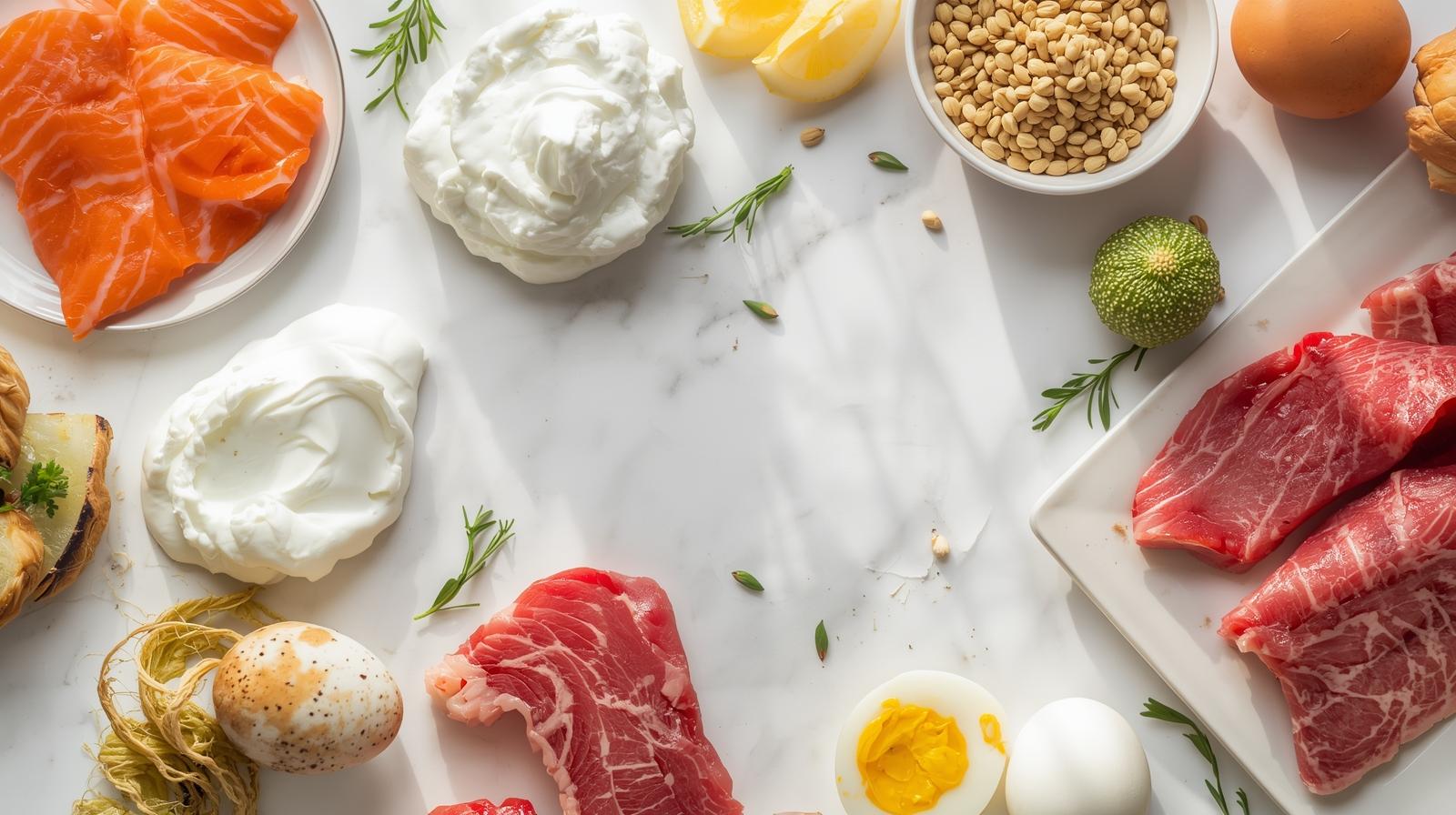
The diet of centenarians around the world shows remarkable common features. Their regimen consists mainly of plants: vegetables, fruits, legumes, nuts, and seeds form the basis of their daily diet. Whole grains are favored, while red meat remains occasional, reserved for celebrations. This approach provides a rich supply of nutrients, fibers, and antioxidants while limiting excessive calorie intake.
Dietary diversity appears as a key factor. Centenarians consume a wide variety of foods throughout the seasons, often grown locally and without pesticides. Their diet provides on average 59.6% carbohydrates, 29.3% fats, and the rest proteins, with particular attention to the quality of fats (olive oil, fatty fish) rather than simply limiting them. Salt intake remains moderate, generally below the recommendations of the World Health Organization.
Caloric restriction and its benefits
Animal studies have shown that caloric restriction, i.e., a moderate reduction of energy intake without malnutrition, prolongs lifespan and improves health. This process activates autophagy, a mechanism by which the body breaks down and recycles cellular waste, thus promoting renewal and protection of cells. Okinawan centenarians traditionally apply the principle “hara hachi bu”: stop eating when 80% full.
Intermittent fasting represents an accessible form of caloric restriction. It consists of alternating periods of normal eating and fasting, allowing the body to regenerate and optimize its metabolic processes. However, these approaches must be adapted for each person and medically supervised, especially in elderly people to avoid malnutrition.
Star foods of longevity
Certain foods regularly appear in the diet of populations with exceptional longevity. Legumes (lentils, chickpeas, beans) provide plant proteins, fibers, and essential minerals. Green leafy vegetables, rich in antioxidants and vitamins, protect against cellular aging. Nuts and seeds provide healthy fats, proteins, and micronutrients beneficial for brain and heart health.
Fatty fish (sardines, mackerels) rich in omega-3 support cardiovascular and cognitive health. Extra virgin olive oil, a pillar of the Mediterranean diet, offers monounsaturated fats and anti-inflammatory compounds. Aromatic herbs and spices (turmeric, ginger, rosemary) possess powerful antioxidant properties. Finally, green tea, consumed daily in Okinawa, contains polyphenols that protect cells and promote longevity.
Lifestyle and daily habits for healthy aging

Natural and regular physical activity
Centenarians do not engage in intensive or structured exercise, but they remain physically active throughout their lives. Their movement is naturally integrated into their daily activities: gardening, walking to get around, manual labor, climbing hills or stairs. This moderate yet constant physical activity maintains muscle strength, joint flexibility, cardiovascular health and stimulates metabolism without causing excessive stress.
Daily walking of at least 30 minutes represents the minimum recommended to preserve health and promote longevity. Gentle exercises such as yoga, tai chi, or swimming combine movement, breathing, and relaxation, offering multiple benefits. Gardening combines physical activity, sun exposure, contact with nature, and satisfaction of growing one’s own food. The essential point is to find enjoyable activities and practice them regularly rather than intensively.
Sleep, a frequently neglected pillar
Quality sleep is an essential but often underestimated factor for longevity. Centenarians generally sleep between 7 and 8 hours per night with a regular rhythm, aligned with natural cycles. Sleep allows the body to repair itself, the brain to regenerate, and the immune system to strengthen. Insufficient or poor-quality sleep increases the risk of cardiovascular diseases, diabetes, obesity, and cognitive decline.
To optimize your sleep, establish a regular routine by going to bed and waking up at fixed times. Avoid screens at least one hour before bedtime, as blue light disrupts melatonin production. Create a conducive environment: cool bedroom (16-18°C), complete darkness, silence or soothing white noise. Short naps (20-30 minutes) practiced in certain blue zones like Ikaria provide a beneficial complement without disturbing nighttime sleep.
Stress management and inner peace
Chronic stress accelerates aging by increasing inflammation, weakening the immune system, and disrupting hormonal balance. Centenarians in blue zones naturally integrate stress reduction practices into their daily life: moments of contemplation, prayers, naps, time spent in nature, creative activities. They also adopt a philosophy of life that relativizes material concerns and values human relationships and the present moment.
To manage your stress, explore various techniques: deep breathing, meditation, mindfulness, physical activity, contact with nature, artistic practices. Heart coherence, a rhythmic breathing exercise, effectively reduces stress in minutes. Yoga and tai chi combine movement, breathing, and meditation. Identify your stress sources and modify what can be changed. Learn to say no, delegate, and accept imperfection. Mental serenity is an investment in your longevity.
Meaning of life and social engagement
All centenarians have a reason to get up each morning, a purpose that gives meaning to their life. The Japanese of Okinawa call this concept “ikigai” – the reason for being. The inhabitants of Nicoya speak of “plan de vida.” This deep motivation sustains the vital momentum, stimulates the brain, and prevents depression and isolation.
Social and community engagement represents another major pillar. Centenarians maintain strong ties with their family, friends, and community. They actively participate in social life, pass on their knowledge to younger generations, and feel useful and respected. This social integration offers emotional support, cognitive stimulation, and a sense of belonging. To cultivate these dimensions, identify what you are passionate about, invest in projects that matter to you, and nurture your social relationships authentically.
Living long and in good health is not a matter of chance or exceptional genetics. Centenarians from blue zones teach us that longevity is built day by day, through simple and natural choices: a diverse plant-based diet, physical activity integrated into daily life, strong social ties, restorative sleep, stress management, and a sense given to life. You have the power to influence how you age by more than 70%. Start today to integrate these principles into your daily life: every small habit counts and accumulates to build your longevity in good health. Your future centenarian self will thank you.