
Environmental Biohacking: Optimizing Your Ecosystem to Transform Body and Mind
Do you sometimes feel suffocated by your environment, searching for a scientific method to optimize your living and working space? Environmental biohacking, an emerging discipline at the intersection of personal ecology and biological optimization, offers concrete solutions to improve your ecosystem through practices such as air purification, lighting optimization, or biophilia. Discover in this article how this innovative approach is based on solid foundations, from environmental quality sensors to sustainability issues, to transform your daily life by combining personal performance and respect for the planet.
Environmental Biohacking: Definition and Fundamental Principles
Environmental biohacking refers to a set of experimental practices aimed at optimizing body and mind by controlling one’s immediate environment. This approach encompasses various techniques such as improving air quality, optimizing circadian lighting, creating biophilic spaces, or using environmental monitoring technologies. The objective is to enhance cognitive abilities, strengthen overall health, and extend longevity by optimizing the personal ecosystem and analyzing concrete environmental parameters.
The term “environmental biohacking” results from the combination of “bio” (biology), “hacking” (creative repurposing of systems), and “environment” (living surroundings). It emerged in the 2010s, aligning with a movement of personal ecological awareness. This concept is associated with environmental biology where enthusiasts explore the impact of the environment on human physiology outside institutional laboratories. By relying on the principles of biophilic design and open access to environmental measurement tools, it promotes a personalized approach to ecosystem optimization while respecting strict sustainability standards.
The Different Approaches and Movements in Environmental Biohacking
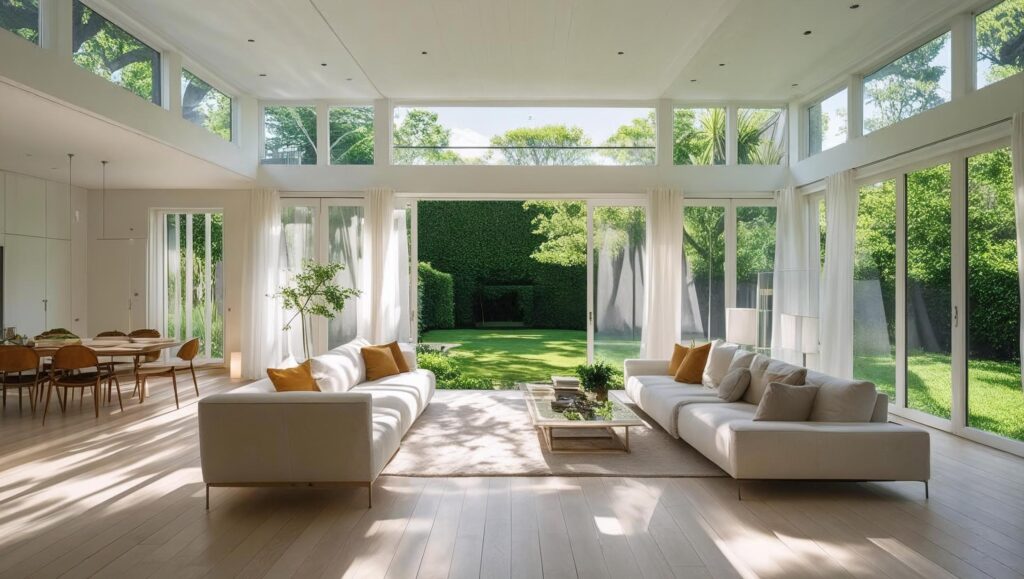
The Main Currents of Environmental Biohacking
Environmental biohacking encompasses several distinct currents, including Air Hacking, Circadian Light, and Urban Biophilia, which explore in different ways the relationship between environment, biology, and human optimization.
The seven major currents of environmental biohacking include:
- Air Hacking: Optimization of indoor air quality, use of advanced purifiers, pollutant monitoring to improve respiratory and cognitive functions
- Circadian Light: Manipulation of artificial lighting to synchronize biological rhythms, use of light therapy and blue light filters
- Active Biophilia: Strategic integration of natural elements in living spaces, vertical gardens and depolluting plants to reduce cortisol stress
- Optimal Acoustics: Control of soundscapes with soundproofing, binaural sounds, and therapeutic frequencies to improve concentration
- Adaptive Temperature: Personalized thermal management with differentiated temperature zones to stimulate metabolism and optimize sleep
- EMF Mitigation: Reduction of exposure to electromagnetic fields through shielding and spatial organization to protect sleep cycles
- Environmental Aromatherapy: Controlled diffusion of essential oils and volatile organic compounds to modulate mental state and cognitive performance
Each current of environmental biohacking is based on a particular philosophy. Air Hacking advocates respiratory purity, Circadian Light relies on chronobiology, while Active Biophilia uses our evolutionary connection to nature. Optimal Acoustics exploits neuroacoustic effects, Adaptive Temperature stimulates thermal adaptation, EMF Mitigation protects from electromagnetic pollution, and Environmental Aromatherapy activates limbic responses.
Goals and Ambitions of Environmental Biohackers
Environmental biohackers aim to push the limits of ecosystem optimization, improve their daily well-being by mastering their environment, reduce their environmental footprint, and make environmental optimization technologies accessible to all, beyond traditional architectural frameworks.
| Current | Main Goals | Main Methods |
|---|---|---|
| Air Hacking | Maximize indoor air quality, reduce allergens and pollutants, optimize cerebral oxygenation | Multilayer HEPA purifiers, VOC monitoring, depolluting plants, negative ionization, intelligent ventilation systems |
| Circadian Light | Synchronize biological rhythms, improve sleep quality, regulate melatonin production | Variable temperature LED lighting, morning light therapy, blue light filters, circadian automation |
| Active Biophilia | Reduce chronic stress, improve creativity and concentration, reconnect with nature | Living walls, indoor gardens, natural materials, nature views, natural sounds |
| General Goals | Optimize environment to improve health, increase productivity, reduce ecological impact, create regenerative spaces | Continuous environmental monitoring, adaptive automation, sustainable design, clean technologies |
Environmental biohacking has evolved from its experimental beginnings toward more accessible and sustainable applications. From simple ecological curiosity, it has become a movement focused on environmental preventive health, optimizing living spaces and harmonizing personal performance with planetary responsibility, while developing reflection on environmental ethics and access to green technologies.
Common Practices in Environmental Biohacking

Air Quality Optimization and Purification
Environmental biohacking uses air mastery to optimize body and mind. Environmental biohackers favor multilayer purification systems, strategically placed depolluting plants, as well as continuous monitoring of fine particles and volatile organic compounds to improve oxygenation, mental clarity, and respiratory health.
Air purification activates neuroplasticity through better cerebral oxygenation and reduces systemic inflammation caused by indoor pollutants. According to Environmental Health Perspectives, these practices enhance cognitive performance and longevity by reducing oxidative stress and optimizing mitochondrial efficiency.
Circadian Light Management and Chromotherapy
Environmental biohacking practices include optimizing lighting through adaptive LED systems and chromotherapy, which regulate circadian rhythms and stimulate hormone production by synchronizing light exposure with natural biological cycles.
Circadian management plays a key role in environmental biohacking. Morning exposure to natural light regulates cortisol production and improves cognitive alertness. Evening red lighting, used in photobiomodulation, stimulates melatonin production and optimizes nightly recovery, combining physiological and neurological benefits.
Tools and Technologies of Environmental Biohacking
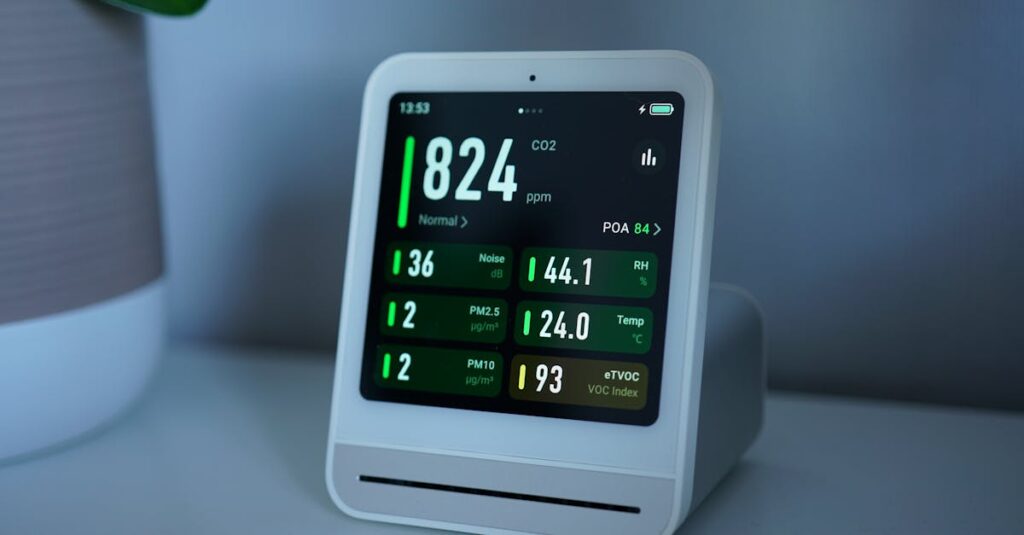
Intelligent Sensors and Ecosystem Monitoring
Environmental biohackers use IoT sensors to track parameters such as air quality, CO2 levels, relative humidity, temperature, and electromagnetic fields to understand their ecosystem and optimize their environmental interventions.
Environmental data monitoring allows biohackers to adjust their space based on objective metrics. By using real-time measurements rather than subjective perceptions, you gain a personalized approach that enables identifying your body’s reactions to environmental variations and optimizing your ecosystem scientifically.
Functional Plants and Natural Biofiltration
Environmental biohackers use depolluting plants and biofiltration systems to improve air quality and create regenerative environments, specifically targeting atmospheric pollutants and microclimate imbalances.
The eight most effective plants and systems include:
- Golden Pothos: eliminates formaldehyde and xylene while producing oxygen at night
- Sansevieria: absorbs VOCs and releases oxygen at night, ideal for bedrooms
- Ficus benjamina: captures fine particles and regulates ambient humidity
- Hydroponic living walls: maximize biofiltration surface and create microclimates
- Aloe vera: absorbs chemical pollutants and indicates air quality through its leaves
- Philodendron: neutralizes toxic compounds from building materials
- Vertical air gardens: optimize purified air circulation by natural convection
- Stabilized moss: captures ultrafine particles without maintenance or watering
Functional plants act as living biofilters by metabolizing pollutants, regulating humidity, and producing beneficial negative ions. It is important to choose species adapted to your specific environment and consider their day/night cycle to maximize their depolluting effectiveness.
Science, Sustainability, and Perspectives of Environmental Biohacking
Scientific Foundations and Environmental Research
Environmental biohacking relies on environmental science research from MIT and citizen experiments aiming to understand the human-environment interaction. This synergy between institutional science and personal ecological practice is based on knowledge in ecotoxicology, chronobiology, and environmental neuroscience, while valuing domestic experimentation as a source of discovery.
Environmental biohacking influences traditional scientific research by introducing personal monitoring methods and sustainable innovations. The Open Air Quality project illustrates this synergy by creating citizen sensor networks. Environmental laboratories such as “Air Citizen” in Lyon and “Green Lab” in Nantes establish collaboration spaces where citizens and researchers exchange. These initiatives redefine the approach to environmental health, strengthening ecological resilience through innovative methods derived from this participatory science.
Ethical Considerations and Environmental Impact
Environmental biohacking generates ethical debates on the energy consumption of optimization technologies, equitable access to healthy environments, and the impact of personal modifications on the global ecosystem. Practices such as the intensive use of energy-consuming purifiers raise questions about the balance between personal optimization and collective responsibility, to avoid an ecological paradox.
The sustainability framework of environmental biohacking is evolving to regulate these innovative practices. In France, the Biohack Green association collaborates with environmental stakeholders to define eco-responsibility standards. Internationally, certifications guide environmental optimization, promoting responsible personal ecology. These self-regulation efforts aim to reconcile individual optimization and planetary sustainability, mastered environmental science.
Mastering your environment through environmental biohacking relies on ecological experimentation, clean technologies, and sustainable scientific practices. By adjusting air quality, lighting, and indoor ecosystem, you optimize health and performance while respecting the planet. Explore these methods consciously: consult environmental experts, validate your choices through ecological research, and transform your space for a more balanced and sustainable life.