Your body has a fascinating internal cleaning system that continuously recycles and regenerates your cells. Autophagy, literally “self-eating” in Greek, represents this natural process by which your cells eliminate their defective and toxic components to renew themselves. Discover how this cellular mechanism influences your health, longevity, and well-being, from scientifically proven benefits to concrete methods to activate it naturally.
Summary
- Autophagy: definition and functioning
- The different types of cellular autophagy
- Benefits of autophagy on health and longevity
- How to stimulate autophagy naturally
Autophagy: definition and functioning
Autophagy refers to the mechanism by which your cells perform their own cleaning by degrading and recycling their damaged or useless components. This vital process eliminates malformed proteins, defective organelles, and toxic elements that naturally accumulate in your cells. Your body uses this cellular recycling strategy to maintain its balance and ensure its survival, especially during periods of stress or nutrient scarcity.
The term autophagy, coined in the 1960s by Belgian biologist Christian de Duve, Nobel Prize in Medicine in 1974, originates from the discovery of lysosomes, those cellular organelles he called “the stomach of the cell.” Decades later, Japanese researcher Yoshinori Ohsumi revolutionized our understanding by identifying the genes responsible for this process, earning him the Nobel Prize in Medicine in 2016. These scientific discoveries established that autophagy constitutes a fundamental mechanism for human health and aging.
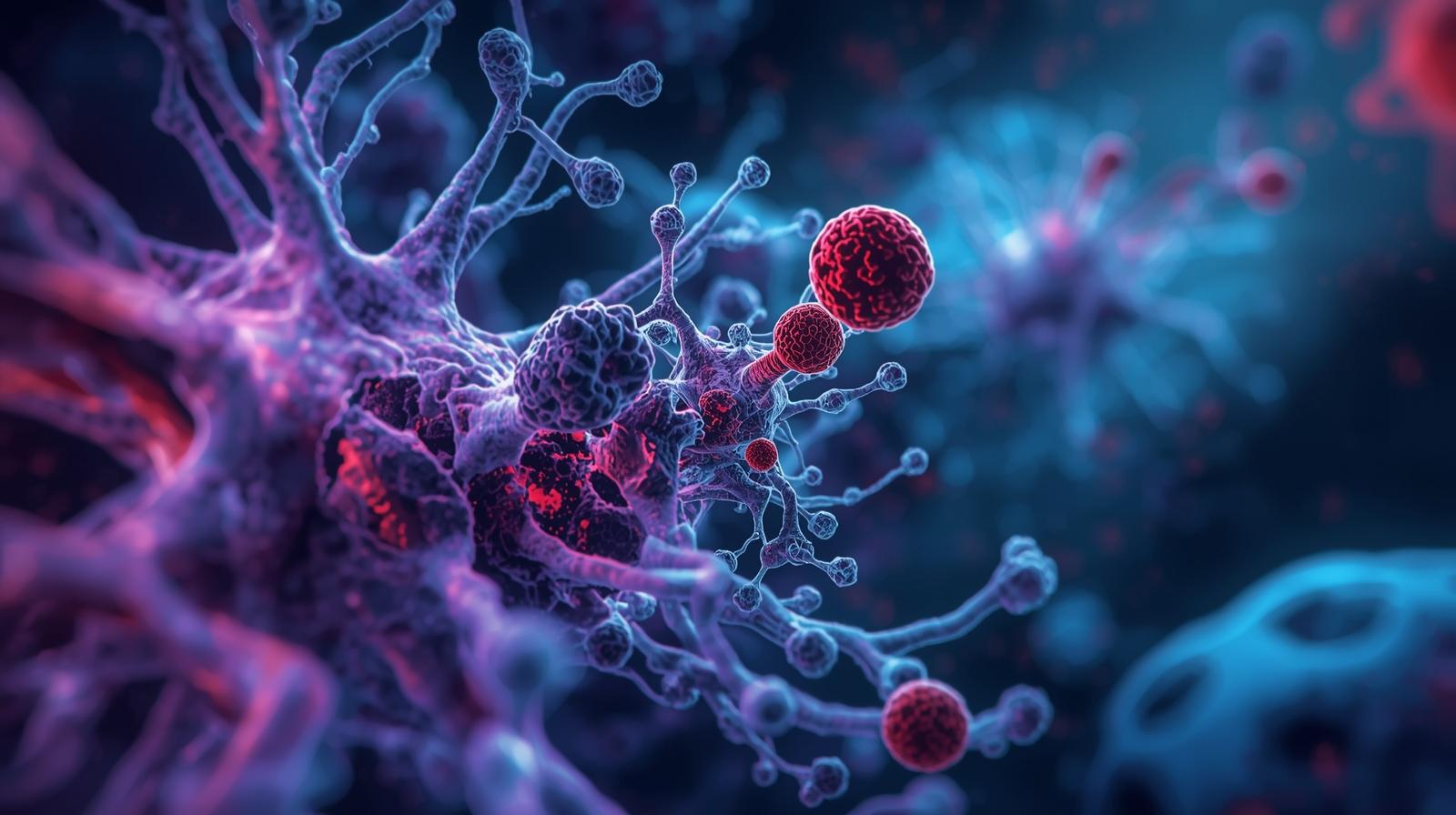
The autophagic process begins with the formation of a double membrane that envelops cellular elements to be eliminated, thus creating a structure called an autophagosome. These “sacs” then transport waste to the lysosomes, specialized compartments containing enzymes that break down unwanted materials. The resulting molecules – amino acids, sugars, lipids – are then recycled to manufacture new functional cellular components, creating a constant regeneration cycle.
The different types of cellular autophagy
Macroautophagy, the main form of cellular recycling
Macroautophagy, commonly simply called autophagy, represents the most widespread and best-studied form of this mechanism. This pathway enables the massive degradation of macromolecules and entire organelles, offering your cells the ability to get rid of bulky elements that clutter their functioning. The process involves the formation of autophagosomes that fuse with lysosomes to create autolysosomes where digestion of cellular components takes place.
This type of autophagy is particularly activated during cellular stress situations such as fasting, infections, or accumulation of abnormal proteins. Cells then use this mechanism to generate energy by recycling their own constituents, thus ensuring their survival while waiting for favorable conditions to return. Macroautophagy also plays a crucial role in eliminating damaged mitochondria, a specific process called mitophagy, essential for maintaining your cells’ optimal energy production.
Microautophagy and selective autophagy
Microautophagy works differently by directly engulfing small portions of the cytoplasm through invagination of the lysosomal membrane, without intermediate autophagosome formation. This form of autophagy allows for a faster but less voluminous degradation of cellular components. Chaperone-mediated autophagy represents a third pathway, highly selective, where specific proteins recognize and directly transport certain defective proteins to lysosomes for their targeted elimination.
The main forms of autophagy are distinguished by:
- Macroautophagy: massive degradation via autophagosomes, main cellular recycling process
- Microautophagy: direct capture by invagination of the lysosomal membrane, rapid degradation of small elements
- Selective autophagy: specific targeting of organelles or pathogens, like mitophagy for mitochondria
- Chaperone-mediated autophagy: direct transport of marked proteins to lysosomes, high specificity
Each form of autophagy responds to specific cellular needs and can be activated under different conditions. The selectivity of certain pathways allows precise elimination of problematic elements without disturbing the cell’s overall functioning, while macroautophagy offers a more global response to major stress situations. This diversity of mechanisms testifies to the evolutionary importance of autophagy for cellular survival and adaptation.
Benefits of autophagy on health and longevity
Protection against neurodegenerative diseases
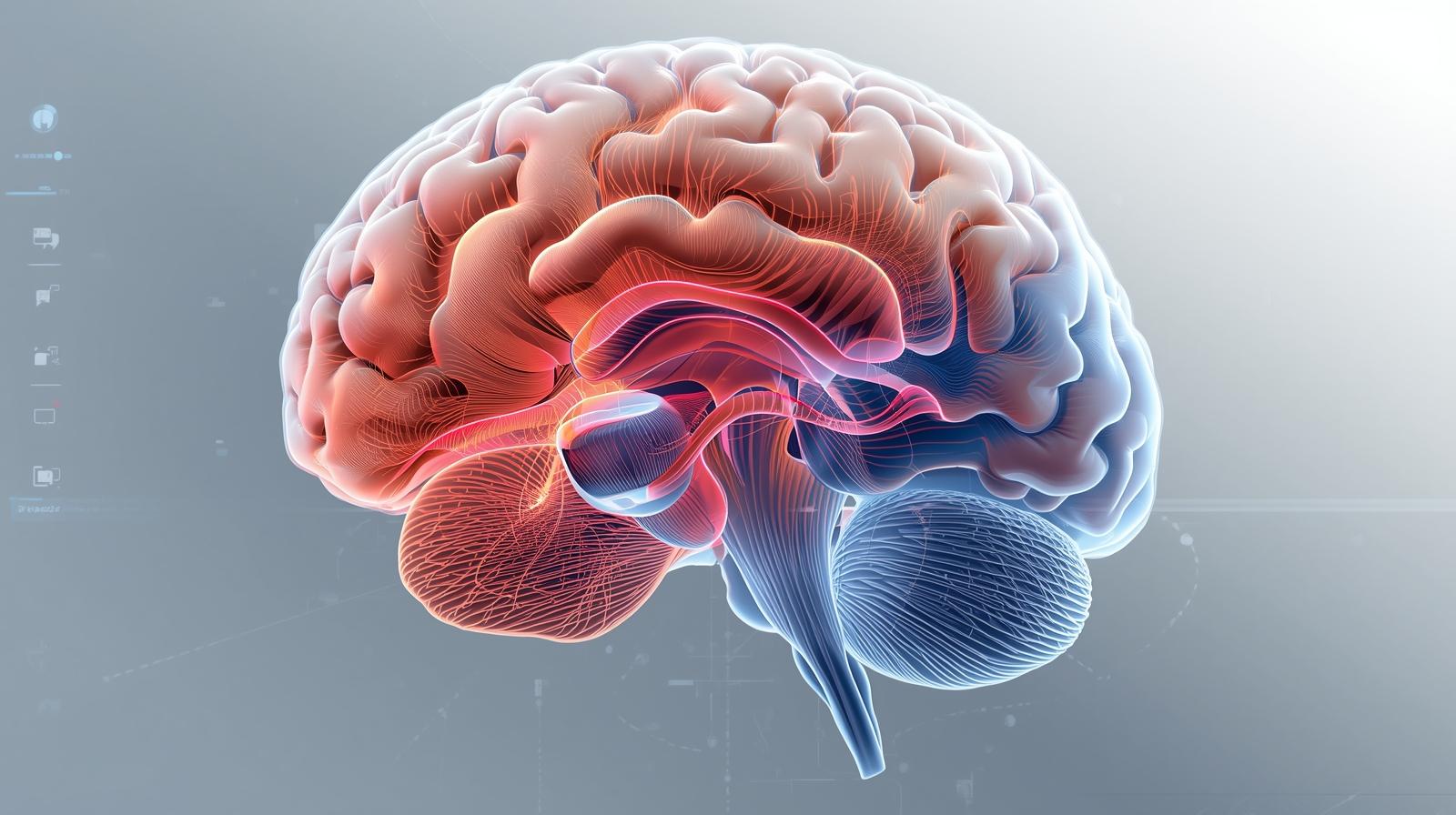
Autophagy plays a major protective role against nervous system diseases by eliminating abnormal proteins that accumulate in the brain. In Alzheimer’s and Parkinson’s diseases, the aggregation of toxic proteins contributes to progressive neuronal degeneration. Optimal autophagic functioning allows removing these protein aggregates before they cause irreversible damage, thus offering a natural neurological protection.
Research shows that the decline in autophagic efficiency with age coincides with the increase in neurodegenerative diseases. Neurons, cells particularly sensitive to oxidative damage and that do not divide, rely closely on autophagy to maintain their integrity in the long term. Stimulating this process could represent a preventive strategy against cognitive decline and contribute to preserving brain health throughout life.
Anti-aging effects and cellular regeneration
Autophagy constitutes a fundamental anti-aging mechanism by enabling the continuous elimination of cellular components damaged by oxidative stress and time. This regeneration process slows down the accumulation of damage characteristic of cellular aging. Cells kept “clean” by efficient autophagy function better, resist longer, and retain their tissue renewal abilities.
| System concerned | Protective effects | Mechanisms of action |
|---|---|---|
| Nervous system | Prevention of neurodegenerative diseases, protection against Alzheimer’s and Parkinson’s, maintenance of cognitive functions | Elimination of toxic protein aggregates, neuroprotection, recycling of damaged neuronal components |
| Immune system | Antimicrobial defense, elimination of intracellular pathogens, regulation of inflammation | Degradation of bacteria and viruses, antigen presentation, control of excessive inflammatory responses |
| Metabolism | Improvement of insulin sensitivity, weight regulation, energy optimization | Recycling of defective mitochondria, regulation of lipid metabolism, adaptation to nutritional variations |
| Overall aging | Slowing of cellular aging, increased longevity, preservation of vitality | Elimination of senescent cells, reduction of oxidative stress, maintenance of cellular homeostasis |
Populations recognized for their exceptional longevity, such as those in blue zones, often naturally practice behaviors that stimulate autophagy: periods of dietary restriction, regular physical activity, and diets rich in protective plant compounds. These observations suggest that activating autophagy could be one of the common factors explaining their remarkable life expectancy.
Role in cancer prevention
Autophagy has a paradoxical role in cancer, acting as a protector at early stages but potentially advantageous to established cancer cells. In a healthy organism, autophagy removes cells with abnormalities before they become malignant, thus performing an anticancer surveillance function. This mechanism helps prevent cancer by destroying damaged cells that could initiate a tumor.
However, cancer cells can hijack autophagy to their advantage to survive in hostile environments created by treatments or nutrient scarcity. This dual nature complicates therapeutic approaches: activating autophagy might prevent cancer, while inhibiting it could improve the effectiveness of certain chemotherapies. Current research aims to better understand when and how to modulate this process in the context of oncological treatment.
How to stimulate autophagy naturally
Intermittent fasting, main activator
Intermittent fasting represents the most effective and documented method to stimulate autophagy. This practice involves alternating periods of eating and fasting, creating a beneficial nutritional stress that triggers cellular recycling. Temporary caloric restriction pushes your cells to tap into their internal reserves, thus activating autophagic mechanisms to generate the energy necessary for their optimal functioning.
The 16/8 protocol, involving 16 hours of fasting and 8 hours of food intake, is an accessible approach to start. For example, you can skip breakfast and have your first meal at noon, ending your eating window around 8 p.m. Longer fasts of 24 hours practiced once or twice a week offer even stronger autophagy stimulation. The key is to start gradually and adapt fasting duration to your physical condition, goals, and individual tolerance.
Research indicates that autophagy begins to activate significantly after 12 to 16 hours of fasting and peaks between 24 and 48 hours. During these periods, your body enters ketosis, using fats as the primary energy source and amplifying cellular cleaning processes. The absence of digestion also frees up energy usually dedicated to this process, allowing your body to focus on repair and regeneration.
Diet and activating compounds
Certain foods and nutrients can stimulate autophagy even outside of fasting periods. Resveratrol, a polyphenol found in red grapes, blueberries, and peanuts, acts as a caloric restriction mimetic by activating the same metabolic pathways as fasting. Spermidine, found in wheat germ, fermented soy, and mushrooms, also stimulates this cellular regeneration process.
The seven nutritional strategies to promote autophagy include:
- Adopt a low-sugar diet: reduce glucose and insulin that inhibit autophagy
- Favor foods rich in polyphenols: consume berries, green tea, cocoa, and red fruits
- Include sources of spermidine: add wheat germ, legumes, and fermented products
- Favor healthy fats: adopt ketogenic diet periods with avocados, olive oil, and nuts
- Consume cruciferous vegetables: include broccoli, cauliflower, and Brussels sprouts rich in sulforaphane
- Occasionally limit protein intake: practice periods of moderate protein restriction
- Use activating spices: integrate turmeric, ginger, and cinnamon into your diet
Adaptogens like ashwagandha and rhodiola rosea also contribute to stimulating autophagy by regulating cellular stress and improving the body’s resistance to aggressions. These plants, used for millennia in traditional medicine, now have scientific validation for their effects on cellular regeneration mechanisms.
Physical exercise and other activators
Physical activity, especially high-intensity exercises like HIIT (High-Intensity Interval Training), powerfully activates autophagy. The metabolic stress generated by intense effort triggers cellular cleaning to optimize muscle recovery and adaptation. Sessions of 20 to 30 minutes of HIIT practiced 2 to 3 times per week are sufficient to significantly stimulate this muscle regeneration process.
Moderate endurance exercise also favors autophagy, notably mitophagy in the muscles engaged. A routine combining cardiovascular exercises, interval trainings, and active recovery periods creates optimal conditions to maintain a high level of autophagy. Quality sleep and stress management complete this picture, as nighttime rest represents a natural fasting period during which autophagy activates to perform cellular maintenance.
Autophagy represents a fascinating cellular mechanism offering promising perspectives for health, longevity, and disease prevention. By understanding its functioning and adopting practices that naturally stimulate it – intermittent fasting, targeted nutrition, physical exercise – you optimize your cellular regeneration naturally. Approach these strategies with discernment, gradualness, and respect for your individual needs to fully benefit from this renewal process that keeps your cells healthy and functional throughout your life.