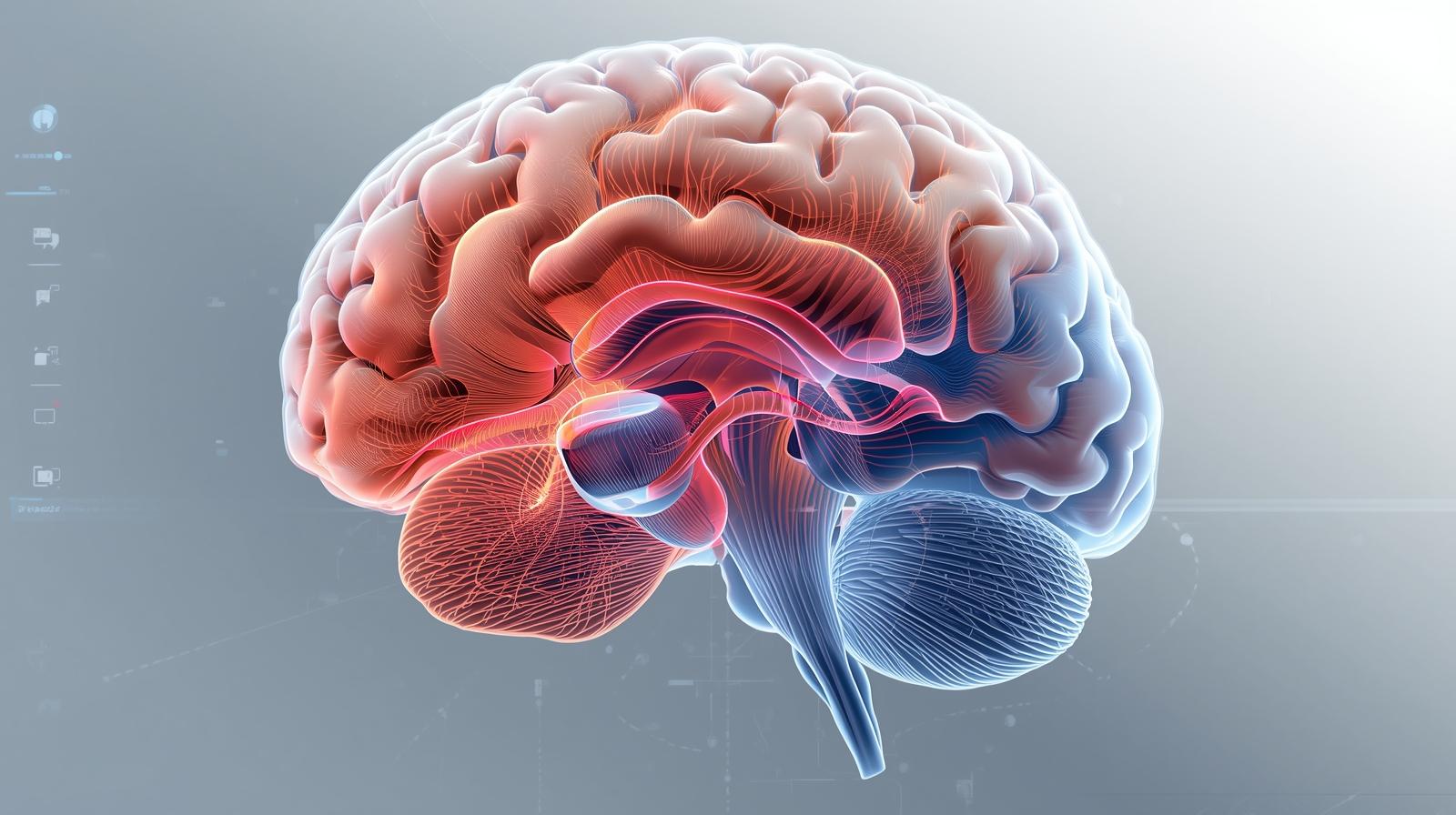
Ketosis represents a fascinating natural mechanism that our body activates when carbohydrates are lacking. In this situation, the body changes its main energy source: instead of burning glucose, it transforms fats into ketone bodies to fuel our cells, brain, and muscles. This metabolic process, far from being a modern invention, is part of our evolutionary heritage and can be voluntarily triggered by an adapted diet, fasting, or certain lifestyles. Discover how ketosis works, its scientifically proven benefits, methods to reach it naturally, and essential precautions to use it safely.
Contents
- What is ketosis: definition and mechanisms
- How to enter ketosis: methods and duration
- The benefits of ketosis on the body
- Signs and symptoms of ketosis
- Precautions and contraindications
What is ketosis: definition and mechanisms
Ketosis refers to a metabolic state during which the body draws its energy from fats through ketone bodies, rather than from carbohydrates usually used. This fundamental fuel switch occurs when glucose stores become insufficient, forcing the body to find an alternative solution to maintain its vital functions.
The process starts in the liver when glycogen stores (stored carbohydrates) are depleted. Faced with this situation, the liver breaks down fatty acids from adipose tissues and converts them into three types of ketone bodies: acetoacetate, beta-hydroxybutyrate, and acetone. These molecules circulate in the blood and become the new energy source for most organs, including the brain, which adapts its function to use these ketone bodies.
Nutritional ketosis versus ketoacidosis
There is a crucial distinction between nutritional ketosis and diabetic ketoacidosis. Nutritional ketosis represents a controlled and beneficial state where ketone body concentration remains moderate (between 0.5 and 3 mmol/L in the blood). Conversely, ketoacidosis is a serious medical emergency occurring mainly in untreated diabetic individuals, where ketone levels exceed 10 mmol/L and dangerously acidify the blood.
This metabolic adaptation is not an anomaly but rather an ancestral survival mechanism. Our hunter-gatherer ancestors regularly alternated between periods of food abundance and scarcity, their bodies naturally shifting into ketosis during fasting periods. Today, this capacity remains intact and can be voluntarily activated for health or performance goals.
How to enter ketosis: methods and duration
The ketogenic diet: the dietary route
The ketogenic diet (or keto diet) is the most popular method to achieve and maintain ketosis. This dietary approach relies on a specific macronutrient distribution: about 70-75% fats, 20-25% proteins, and only 5-10% carbohydrates (generally less than 50 grams per day, or even 20-30 grams for a faster entry into ketosis).
This drastic carbohydrate restriction forces the body to deplete its glycogen stores within 2 to 4 days, thus triggering ketone body production. Preferred foods include fatty meats, fatty fish (salmon, mackerel), eggs, avocados, nuts, vegetable oils (olive, coconut), butter, cheeses, and low-carb vegetables (spinach, broccoli, cabbage). Conversely, carbohydrate-rich foods are eliminated: bread, pasta, rice, potatoes, cereals, sweet fruits, legumes, and sugars in general.
Intermittent and prolonged fasting
Fasting represents another natural path to ketosis, exploiting the same principle of glucose deprivation. Intermittent fasting (alternating periods of eating and fasting within 24 hours) enables entry into light ketosis, particularly with longer protocols like 16/8 (16 hours fasting, 8 hours feeding) or 20/4.
Prolonged fasting (more than 24 hours) induces a deeper and faster ketosis. After 12 to 16 hours without food intake, the body begins to produce ketone bodies. This production intensifies progressively: after 24 hours, ketosis firmly establishes, and after 2 to 3 days, it reaches its full potential. This method, however, requires medical supervision and is not suitable for everyone.
Other factors influencing ketosis
Physical activity accelerates the entry into ketosis by more rapidly depleting muscle glycogen reserves. Moderate endurance exercises are particularly effective. Some dietary supplements, such as medium-chain triglycerides (MCTs), also facilitate ketone body production because these fats are directly converted by the liver without requiring the usual digestive process.
The benefits of ketosis on the body
Weight loss and body composition management
When you are in ketosis, fats are burned, making ketosis ideal for weight loss. This fat-burning mechanism is accompanied by reduced appetite due to the satiating effect of fats and proteins, as well as the action of ketone bodies on hunger hormones. Studies show that a ketogenic diet can lead to faster weight loss than a traditional low-calorie diet, especially during the first weeks.
Beyond simple weight loss, ketosis promotes muscle mass preservation during fat loss, unlike classic low-calorie diets which often cause muscle wasting. This improved body composition results in a higher basal metabolic rate and a more toned silhouette.
Energy stability and cognitive performance
Stable blood sugar and improved insulin sensitivity characterize the state of ketosis, eliminating the typical energy fluctuations of a carbohydrate-rich diet. Ketone bodies provide a stable and lasting energy source to the brain, enhancing concentration, mental clarity, and cognitive functions.
Many users report increased intellectual productivity, better memory, and reduced brain fog after a few weeks of adaptation. Thanks to the energy provided and the antioxidant activity of ketone bodies, the ketogenic diet has numerous benefits in neurological functioning, sparking researchers’ interest in certain neurodegenerative diseases.
Therapeutic applications and metabolic health
Ketosis has recognized therapeutic applications, notably in treating refractory epilepsy in children, where it significantly reduces seizure frequency. Research also explores its potential in managing type 2 diabetes, improving insulin sensitivity, reducing chronic inflammation, and cardiovascular protection (lowering triglycerides, increasing HDL cholesterol).
| Area | Observed Benefits | Mechanisms of Action |
|---|---|---|
| Weight loss | Increased fat burning, appetite reduction, muscle mass preservation, 2 to 5 kg loss in the first weeks | Use of fats as main fuel, satiating effect of fats, regulation of hunger hormones (ghrelin, leptin) |
| Energy and performance | Stable energy without fatigue crashes, improved endurance, optimized recovery, maintained physical performance | Stable blood sugar, absence of insulin spikes, effective mobilization of fat reserves, reduced inflammation |
| Cognitive functions | Increased concentration, mental clarity, improved memory, neuronal protection, reduced brain fog | Ketone bodies as stable brain fuel, antioxidant effect, reduced oxidative stress, neuroprotection |
| Metabolic health | Improved insulin sensitivity, reduced inflammation, better lipid profile, diabetes management | Reduced blood sugar, decreased insulin production, lowered triglycerides, increased HDL |
| Therapeutic applications | Reduced epilepsy seizures, support in some neurodegenerative diseases, anti-inflammatory effects | Stabilization of neuronal activity, mitochondrial protection, gene expression modulation |
Sports performance and recovery
The keto diet can perfectly adapt to sports practice, especially in endurance disciplines, as the body learns to mobilize fats more efficiently as an energy source. Athletes in ketosis can prolong their efforts without sudden performance drops thanks to the absence of blood sugar variation, which reduces fatigue crashes. Some athletes adopt this approach to improve recovery, reduce soreness, or optimize body composition.
Signs and symptoms of ketosis
Positive indicators of the ketosis state
Several signs allow identification of entry into ketosis without requiring measurement. Breath may emit a fruity or metallic odor due to acetone exhaled by the lungs, while urine may have a stronger smell. These manifestations, although sometimes bothersome, indicate active ketone body production.
Other indicators include a marked decrease in appetite and cravings, increased mental and physical energy after the adaptation period, better concentration, and sometimes slight rapid weight loss during the first days (mainly water linked to glycogen). Some people also notice improved sleep quality and reduced joint inflammation.
The ketogenic flu: transition phase
During the first days of entry into ketosis, many people experience what is called the “keto flu.” These transient symptoms include headaches, fatigue, mild nausea, irritability, concentration difficulties, muscle cramps, and sometimes dizziness. These manifestations result from metabolic adaptation and loss of water and electrolytes (sodium, potassium, magnesium) accompanying glycogen depletion.
These discomforts usually disappear after 3 to 7 days, when the body becomes “keto-adapted,” meaning fully efficient in using ketone bodies. To minimize these symptoms, it is recommended to increase hydration, consume enough salt, supplement electrolytes, reduce intensity of physical exercises during this period, and get good sleep.
Measurement and monitoring of ketosis
Three methods allow objective measurement of ketosis. Urine strips detect acetoacetate in urine, offering an economical but less precise measure over time (the body better reabsorbs ketone bodies with adaptation). Blood tests measure beta-hydroxybutyrate and represent the most accurate method, with confirmed nutritional ketosis between 0.5 and 3 mmol/L. Devices measuring acetone in the breath are an intermediate option, non-invasive and reusable.
Precautions and contraindications
At-risk populations and discouraged situations
Ketosis, although natural, is not suitable for everyone. Some individuals must absolutely avoid this metabolic state or consult a doctor before any attempt. Type 1 diabetics risk potentially fatal ketoacidosis and should never undertake a ketogenic diet without strict medical supervision. Pregnant or breastfeeding women have specific nutritional needs incompatible with severe carbohydrate restriction.
People suffering from renal, hepatic, or pancreatic disorders should also refrain, as the metabolic load related to processing fats and proteins could worsen their condition. Individuals with a history of eating disorders, those taking certain medications (notably for diabetes or hypertension), and growing children should not follow a ketogenic diet without proper medical support.
Side effects and risk management
Beyond the initial ketogenic flu, some side effects may persist. Constipation is the most common problem, resulting from insufficient fiber intake; it resolves by increasing low-carb vegetables, hydration, and possibly adding psyllium. Nutritional deficiencies can appear if the diet is not sufficiently varied, particularly in B vitamins, vitamin C, magnesium, and potassium.
Some people develop kidney stones, especially if hydration is insufficient. Alterations in lipid profile may occur in some individuals (increased LDL cholesterol), requiring regular medical monitoring. Prolonged ketosis can also affect performance in high-intensity sports requiring explosive efforts (sprints, weightlifting), as these activities depend on glucose for optimal function.
Recommendations for healthy and sustainable ketosis
To practice ketosis safely, several principles must be respected. A gradual transition allows the body to adapt smoothly: reduce carbohydrates gradually over one to two weeks rather than abruptly. Hydration must be a priority (at least 2 to 3 liters of water per day) accompanied by electrolyte supplementation during the adaptation phase.
Food quality outweighs the simple macronutrient distribution: favor healthy fats (avocados, virgin oils, fatty fish, nuts) rather than processed fats, and maintain an adequate intake of green vegetables for fibers, vitamins, and minerals. Regular medical follow-up is essential, including blood tests to check liver and kidney function, lipid profile, and inflammatory markers.
It is also advisable to alternate periods of strict ketosis with controlled carbohydrate reintroduction periods (carb cycling), allowing metabolism to remain flexible and reducing the risks of adrenal or thyroid fatigue. This cyclical approach is especially suitable for athletes and people practicing long-term ketosis.
Ketosis represents a fascinating metabolic process that transforms our way of using energy. By understanding its mechanisms, benefits, and limits, you can exploit it wisely to reach your health, performance, or well-being goals. Whether for weight loss, cognitive improvement, or energy optimization, ketosis offers a powerful tool provided it is approached with knowledge, patience, and caution. Always consult a healthcare professional before undertaking a major dietary change, document your journey, and listen to your body’s signals for a successful and sustainable experience.