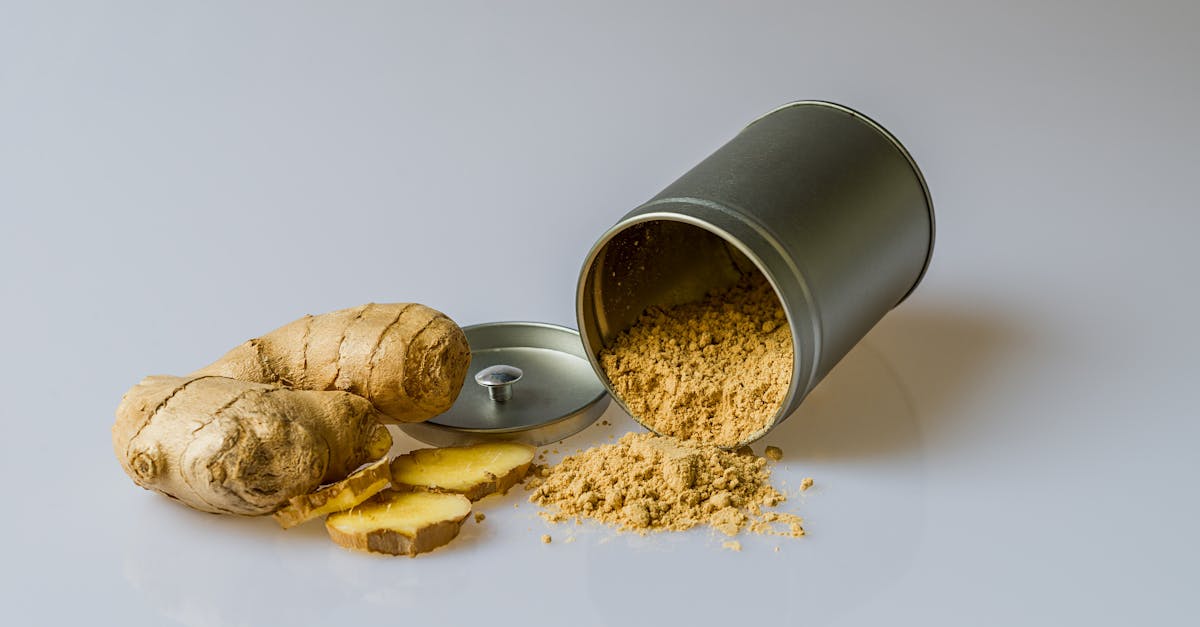
Ginger is one of those natural treasures that humanity has been using for more than 5,000 years. This root with a spicy and slightly lemony taste, mainly grown in Asia, has established itself as an essential spice in our kitchens and a valuable ally for our well-being. Whether you want to relieve nausea, improve digestion, reduce joint pain, or simply strengthen your immune system, ginger offers natural solutions validated by modern science. Discover in this comprehensive article how this millennial plant can transform your daily health thanks to its remarkable properties.
Contents
- Ginger: origins and composition of an exceptional root
- The health benefits of ginger
- How to consume ginger daily
- Recommended dosages and precautions for use
Ginger: origins and composition of an exceptional root
An ancestral plant with a thousand virtues
Ginger, whose scientific name is Zingiber officinale, is a perennial plant native to Southeast Asia, particularly India and China, where it has been cultivated and used for more than 5,000 years. Belonging to the Zingiberaceae family, this tropical plant grows in warm and humid conditions, producing long stems that bear yellow, white, and red flowers grouped in colorful spikes.
The consumed part is the rhizome, this horizontal underground stem with a characteristic camphor-like smell and a unique spicy flavor. Today, ginger is grown in many tropical regions around the world, notably in India, China, Jamaica, Nigeria, Brazil, and Australia. It was introduced to Europe at the end of the 13th century thanks to Marco Polo, but its use dates back much further in traditional Asian medicines.
A rich and powerful nutritional composition
Ginger consists of 90% water, but it is also very rich in carbohydrates and dietary fiber. Its nutritional richness explains its numerous health benefits. This root contains a significant concentration of B vitamins, particularly vitamin B9, as well as appreciable amounts of vitamins C, E, and A.
The active compounds that make ginger famous are mainly:
- Gingerol: the main bioactive compound responsible for the spicy taste and most therapeutic effects
- Shogaol: formed during drying or cooking, with powerful anti-inflammatory properties
- Zingerone: aromatic compound that contributes to the characteristic odor
- Essential oils: zingiberene, phellandrene, and citronellol which give its particular aroma
- Minerals: calcium, magnesium, phosphorus, and potassium
These bioactive substances possess thermogenic properties that accelerate metabolism, as well as anti-inflammatory, antioxidant, carminative, and antiemetic effects. It is this unique combination that makes ginger a functional food recognized both by traditional medicine and modern scientific research.
The health benefits of ginger
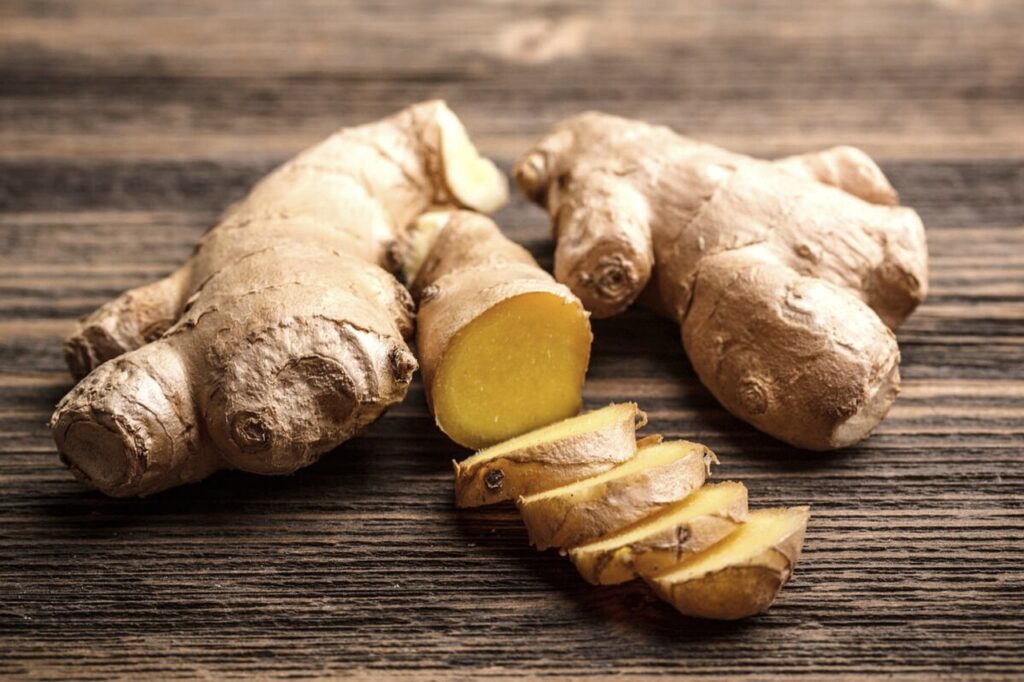
Relief of digestive disorders and nausea
Ginger is particularly effective against nausea, a property that is well established. Its antiemetic action helps calm nausea and vomiting in various situations: motion sickness, pregnancy, hangovers, or side effects of medical treatments.
Thanks to its carminative and antispasmodic properties, ginger relaxes the muscles of the stomach and intestines, reduces gastric acidity, and facilitates gastric emptying. It stimulates bile secretion and gastric activity after meals, making it a valuable ally to combat heartburn, bloating, intestinal gas, and poor digestion.
Studies have confirmed that ginger is relatively safe and effective against pregnancy-related nausea and postoperative nausea. For pregnant women suffering from morning sickness, this plant represents a natural solution appreciated, although it is recommended to consult a healthcare professional before regular use during pregnancy.
Anti-inflammatory properties and pain relief
Rich in gingerol and minerals, ginger has powerful antioxidant and anti-inflammatory properties. These qualities make it an effective natural remedy for different types of pain and inflammation.
Ginger helps to restore supple and flexible joints for optimal joint mobility. Some studies have shown that this plant moderately reduces knee and hip pain caused by osteoarthritis, although results vary according to research.
Ginger helps reduce menstrual pain thanks to its action on prostaglandins, and studies have shown that ginger powder might be beneficial in cases of primary dysmenorrhea. Its natural analgesic effect also helps calm muscle pain and rheumatism.
Beneficial action on the cardiovascular system
Ginger has relaxing, vasodilating, and anticoagulant properties that improve the elasticity and dilation of arteries, thereby facilitating blood circulation. This action helps to balance blood pressure in some people.
Ginger inhibits the angiotensin-converting enzyme, responsible for the contraction of blood vessels, thus preventing the increase in blood pressure. However, people on antihypertensive treatment should consult their doctor before consuming ginger regularly to avoid drug interactions.
Immune system strengthening and respiratory protection
Thanks to its bactericidal and antimicrobial compounds, ginger is effective against respiratory diseases such as flu, cold, asthma, and bronchitis. Its anti-inflammatory and antimicrobial properties help relieve symptoms of respiratory infections like sore throat, congestion, and facilitate mucus elimination.
This plant has antioxidant and revitalizing properties that strengthen the body’s natural defenses and restore vitality and energy to tired organisms. Its immunostimulant action helps the body better resist infections and recover more quickly during periods of fatigue or convalescence.
Effects on metabolism and weight management
Ginger contains bioactive compounds with thermogenic properties that accelerate metabolism and stimulate the burning of body fat, thus promoting weight loss. Its diuretic action stimulates the elimination of excess fluid in the body through urine and limits water retention.
Ginger helps improve digestion and speed up metabolism, allowing the body to burn calories faster. It also provides an earlier feeling of satiety when consumed regularly, which can help with weight control efforts.
Blood sugar regulation and cellular protection
Ginger protects pancreatic cells against free radicals thanks to its phenolic compounds with strong antioxidant action and maintains adequate insulin levels. These properties help prevent insulin resistance.
This plant is currently being evaluated in the context of type 2 diabetes, and new data has shown a slight reduction in HbA1C levels, which indicate average blood sugar. Although the effects are moderate, this plant can be an interesting natural supplement in diabetes management, always under medical supervision.
| Field of action | Main benefits | Active compounds responsible |
|---|---|---|
| Digestive system | Relieves nausea and vomiting, facilitates digestion, reduces bloating and gas, prevents acid reflux | Gingerol, shogaol, zingerone |
| Inflammation and pain | Reduces joint pain, relieves menstrual pain, soothes rheumatism and muscle pain | Gingerol, phenolic compounds |
| Cardiovascular system | Improves blood circulation, helps balance blood pressure, mild anticoagulant action | Gingerol, essential oils |
| Immunity and respiration | Strengthens immune defenses, relieves respiratory infections, combats cold and flu | Antimicrobial and bactericidal compounds |
| Metabolism | Stimulates fat burning, accelerates metabolism, promotes weight loss, diuretic action | 6-gingerol, 8-gingerol |
| Blood sugar and antioxidants | Protects cells against aging, regulates blood sugar, prevents insulin resistance | Antioxidants, phenolic compounds |
How to consume ginger daily
The different forms of ginger available
Ginger comes in several forms, each offering specific advantages depending on your needs and preferences:
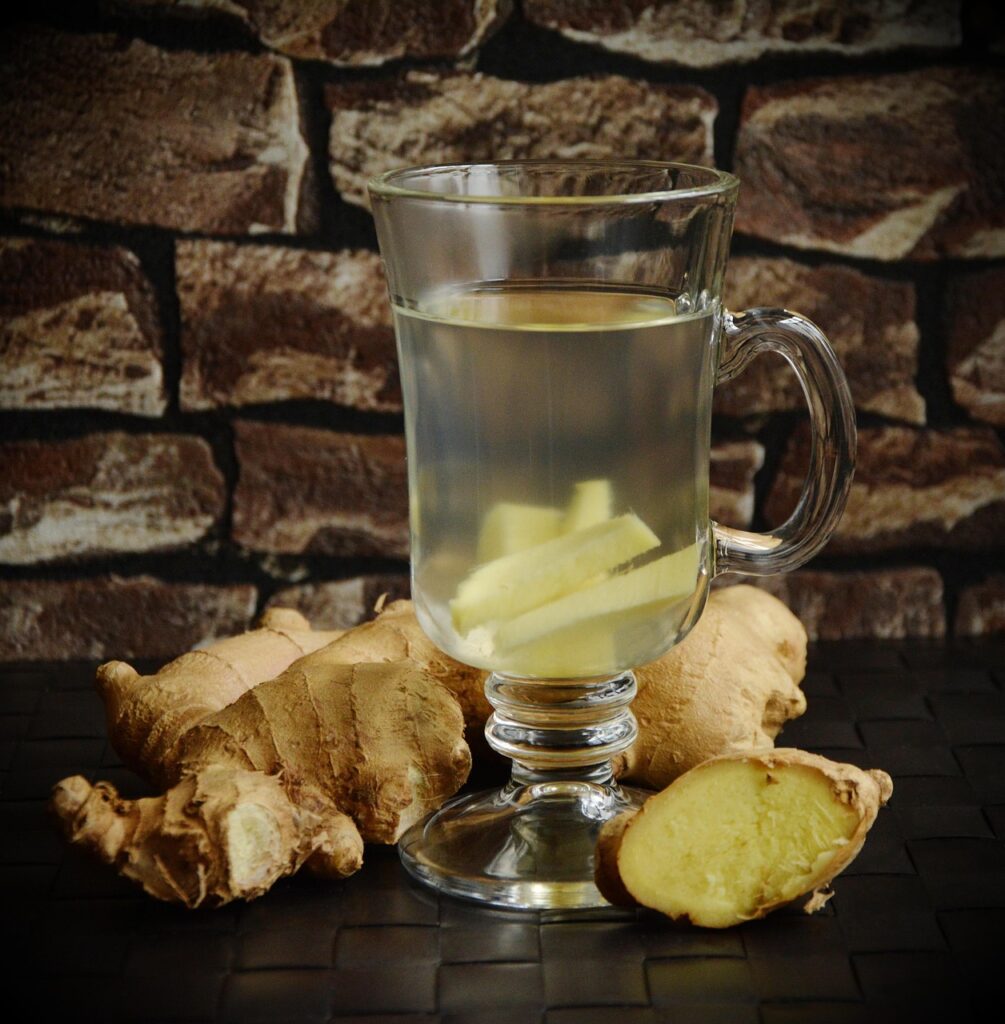
Fresh ginger is the richest form in active compounds. It keeps for several weeks in the refrigerator and can be grated, sliced, or pressed to extract the juice. Its taste is sharp and spicy, ideal for culinary preparations and cold drinks.
Ginger powder is convenient for cooking and baking. The drying process slightly alters its chemical composition and intensifies its flavor. Always choose an organic powder to avoid pesticides and preservatives.
Candied ginger retains some benefits but contains a lot of added sugar. Cooking and preserving it in sugar reduce the content of gingerols and shogaols, responsible for many benefits. Consume in moderation.
Dietary supplements (capsules, extracts, tinctures) offer standardized dosages and a high concentration of active principles. Prefer certified organic products and strictly follow the indicated dosages.
Simple recipes and preparations to enjoy ginger
Ginger infusion remains the simplest and most effective method to benefit from its qualities. Cut a few slices of fresh ginger (about 2 to 3 cm of rhizome) and infuse them in boiling water for 10 to 15 minutes. You can add lemon and honey to soften the taste and enhance the effect on immunity.
Concentrated ginger juice is obtained by blending peeled fresh ginger with some water, then filtering the mixture. Half a teaspoon of this juice, mixed with lemon juice and honey, constitutes an effective traditional remedy against digestive disorders and fatigue.
In cooking, fresh grated or powdered ginger wonderfully enhances savory and sweet dishes. Add it to your soups, curries, vegetable sautés, marinades, smoothies, pastries, and even your yogurts. Its spicy and slightly sweet taste brings an exotic touch to all your preparations.
Pickled ginger, very popular in Japanese cuisine, perfectly accompanies sushi and other Asian dishes. You can prepare it yourself by marinating thin slices of this plant in a mixture of rice vinegar, sugar, and salt.
Optimal times to consume ginger
To relieve nausea and aid digestion, consume ginger before or during meals. You can chew a piece of fresh ginger after meals to enjoy its digestive effects.
To stimulate your metabolism and benefit from its energizing effect, prefer consumption in the morning or early afternoon. Avoid late intake which could disturb your sleep in sensitive individuals.
In case of motion sickness, take ginger 30 minutes before departure and renew if necessary during the journey. For menstrual pain, start taking it at the first symptoms.
Recommended dosages and precautions for use
Recommended quantities according to your needs
It is recommended to consume ginger in moderation. Dosages vary depending on the form used and the desired goal:
For fresh ginger:
- General use: 1 to 3 grams per day (about 2 to 4 thin slices)
- Nausea: 1 gram divided into several doses
- Digestive disorders: 2 to 4 grams per day
For ginger powder:
- Standard dosage: 1 to 2 grams per day (about 1/4 to 1/2 teaspoon)
- Joint pain: up to 2 grams per day in divided doses
For dietary supplements, always follow the manufacturer’s recommendations, generally between 500 mg and 2 grams per day of standardized extract.
Possible side effects and at-risk populations
Ginger is generally not harmful, although some people have reported a burning sensation upon ingestion. The most common side effects remain mild: feelings of warmth in the stomach, occasional heartburn, minor digestive disorders in some sensitive individuals.
At high doses (more than 5 grams per day), ginger may cause gastric irritation, diarrhea, or leave an unpleasant taste in the mouth. Always respect the principle of gradual progression: start with small amounts and gradually increase according to your tolerance.
Pregnant women should consult their doctor before using ginger regularly, even though its effectiveness against morning sickness is recognized. People suffering from gallstones, active gastric ulcers, or coagulation disorders should also seek medical advice before any regular use.