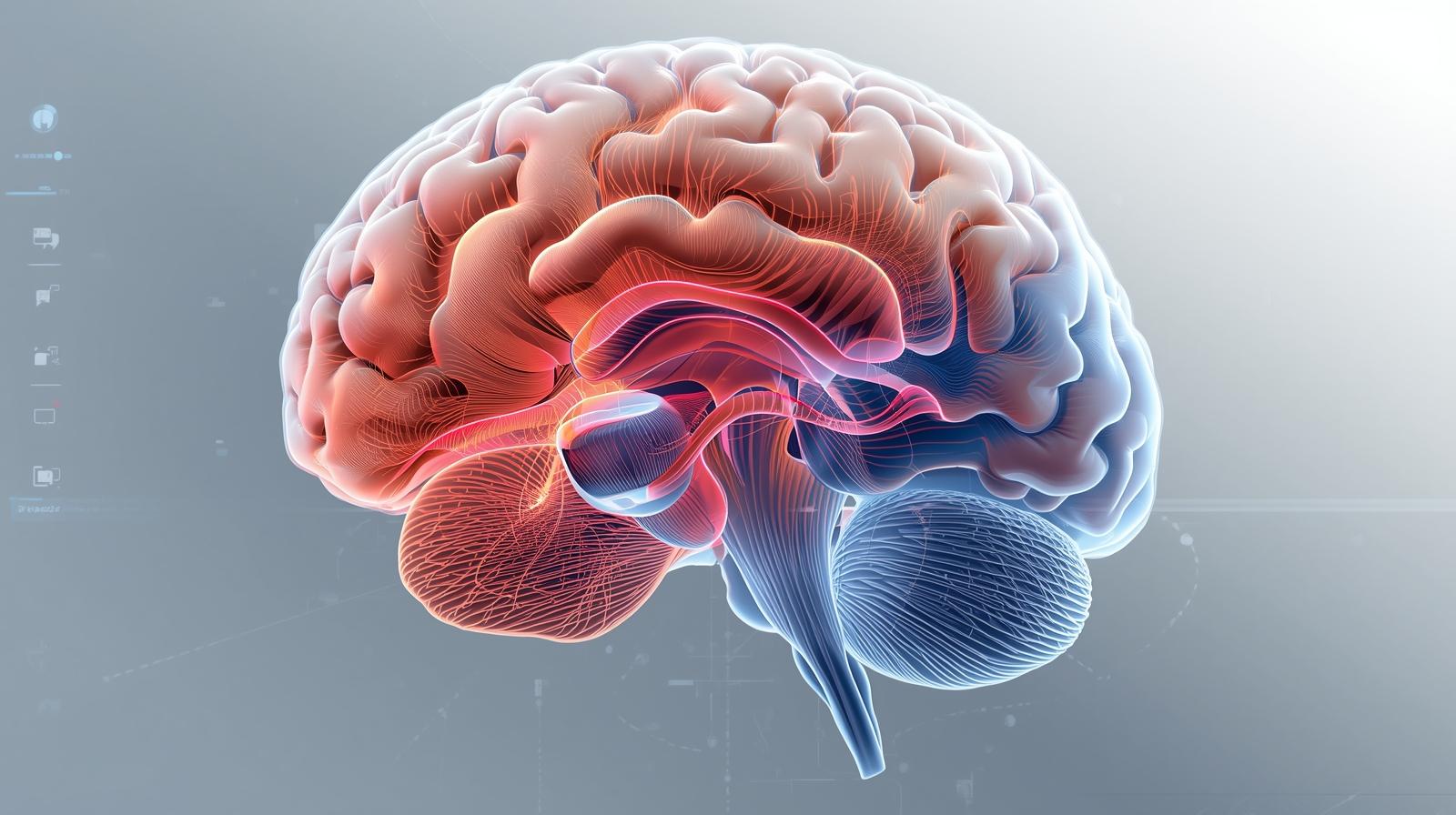
Oxytocin fascinates as much as it intrigues. Nicknamed the “love hormone” or the “happiness hormone,” this molecule plays a role far more complex than these simplistic labels suggest. Naturally produced by our brain, oxytocin is involved in phenomena related to trust, empathy, generosity, and sexuality, but also in essential functions such as childbirth and breastfeeding. Discover in this article how this neurohormone influences your social relationships, emotional well-being, and health by exploring its mechanisms of action, its effects on the body and mind, as well as natural ways to stimulate its production to enrich your daily life.
Summary
- What is oxytocin: definition and origin
- How oxytocin works in the body
- The multiple roles of oxytocin in the human body
- Oxytocin and social relationships: beyond the myth
- How to naturally stimulate oxytocin production
What is oxytocin: definition and origin
Oxytocin is a peptide neurohormone composed of a chain of nine amino acids, discovered and isolated in 1927, then described in 1955 by biochemist Vincent du Vigneaud. Its name comes from the Greek words “ôkus” (quick) and “tokos” (birth), literally meaning “quick birth,” referring to its first identified role in uterine contraction during labor.
Oxytocin is a neuropeptide produced in the hypothalamus, then released into the blood by the posterior pituitary gland. This dual function allows it to act both as a hormone circulating in the blood (peripheral oxytocin) and as a neurotransmitter in the brain (central oxytocin), explaining its effects both physically and psychologically.
This molecule belongs to the family of well-being hormones, alongside dopamine, serotonin, and endorphins. Unlike some other hormones, oxytocin does not require a feedback regulation mechanism: its production naturally fluctuates according to situations and interactions experienced, creating peaks of release during significant moments of human connection.
How oxytocin works in the body
Production and release of oxytocin
Oxytocin is synthesized continuously by specialized neurons located in two specific regions of the hypothalamus: the supraoptic and paraventricular nuclei. This production occurs in a pulsatile rhythm, with periods of activity more or less intense depending on physiological and emotional contexts.
Once produced, oxytocin follows two distinct pathways that determine its differentiated effects:
- The peripheral pathway: The hormone is transported to the posterior pituitary gland, then released into the bloodstream to act on peripheral organs such as the uterus and mammary glands
- The central pathway: It is released directly into various areas of the brain via cerebrospinal fluid and neuronal projections, influencing behaviors and emotions
Oxytocin receptors and their effects
Oxytocin exerts its actions by binding to OXTR receptors present in many brain regions such as the amygdala, prefrontal cortex, hippocampus, and brainstem, as well as in various peripheral tissues. This binding triggers a cascade of cellular reactions that modulate neuronal and organ activity.
At the brain level, oxytocin binding to its receptors stimulates serotonin release, a neurotransmitter involved in mood regulation and stress management. This mechanism partly explains the feeling of well-being and calm experienced during moments of social or emotional connection.
The effects of oxytocin are not uniform: they strongly depend on context, individual personality, stress level, and social environment. This hormone functions more as a modulator of the social significance of situations rather than as an automatic trigger of affectionate behaviors.
The multiple roles of oxytocin in the human body

Reproductive and maternal functions
Oxytocin binds to receptors on muscle cells of the uterus and mammary glands, playing a central role in reproductive and maternal processes. During childbirth, it causes uterine contractions necessary for expelling the baby and delivering the placenta, while helping the uterus return to its normal size after birth.
In the context of breastfeeding, nipple suckling triggers oxytocin production which stimulates milk ejection by promoting the contraction of myoepithelial cells surrounding the mammary glands. This mechanism, called the milk ejection reflex, can also be triggered by emotional stimuli such as simply thinking of one’s baby or hearing its cries.
The medical use of synthetic oxytocin is common in obstetrics to initiate or accelerate labor during deliveries requiring intervention. However, research from Inserm has shown that injecting synthetic oxytocin during labor is a risk factor for postpartum hemorrhage, requiring cautious use and moderate dosages.
Psychological and emotional effects
Oxytocin profoundly influences our emotional and relational life by acting on several essential psychological dimensions. It is naturally released during moments of physical contact, sexual intimacy, hugs, or even when petting an animal, generating a feeling of connection and security.
| Field of action | Observed effects | Concrete manifestations |
|---|---|---|
| Stress management | Reduction of stress reactivity and decreased cortisol | Faster calm down after a stressful situation, reduced anxiety, feeling of calm |
| Attachment and social bonding | Strengthening of affective bonds and sensitivity to social cues | Facilitation of mother-child attachment, recognition of others’ emotions, feeling of closeness with loved ones |
| Trust and cooperation | Increased trust in others and prosocial behaviors | Facilitation of interpersonal relationships, increased generosity, helping behaviors |
| Pain perception | Modulation of pain sensitivity | Attenuation of physical and emotional pain, natural analgesic effect |
| General well-being | Production of positive emotions and sensation of happiness | Improved mood, feeling of fullness, reduction of mild depressive symptoms |
This neuropeptide interacts with stress systems by reducing stress reactivity, lowering cortisol release, and facilitating the return to calm in environments perceived as supportive. It also modulates amygdala activity, the brain region responsible for detecting threats, thus helping regulate emotional responses.
Other physiological functions
Beyond its reproductive and social roles, oxytocin influences various bodily functions that contribute to homeostasis and overall well-being. It acts on gastric motility and digestion, contributing to digestive comfort felt after a satisfying meal. Its action on the cardiovascular system results in a modulation of heart rate and blood pressure, generally in a calming direction.
Oxytocin also participates in the regulation of appetite and eating behavior. Eating to satiety foods enjoyed stimulates its release via vagus nerve activation, partly explaining the feeling of contentment and relaxation experienced after a good meal shared with loved ones.
Oxytocin and social relationships: beyond the myth
Oxytocin is not just the “love hormone”
The association of oxytocin with love dates back to its discovery and its role in the mother-child bond was overinterpreted to become the hormone of the couple and romantic relationships. This simplification hides a much more nuanced and fascinating scientific reality.
Contemporary research reveals that oxytocin is primarily the hormone of social bonding rather than romantic love. Studies on voles show that couple formation involves several molecules acting in different brain regions: dopamine, serotonin, vasopressin, and oxytocin. Therefore, the latter cannot be solely responsible for love at first sight or romantic attachment.
Oxytocin modulates social salience, that is, the interest given to a thing or a person: it makes social signals such as faces, voices, and gestures more salient and facilitates their processing. In safe contexts, this increases trust, empathy, and cooperation. But in threatened or competitive contexts, it can strengthen group vigilance and boundaries between “us” and “them”.
The complex role in social interactions
Research has demonstrated the importance of touch and its ability to provoke oxytocin release which acts on the “social brain.” Physical contact during social interactions activates specific neurons that trigger a cascade of oxytocin release, thereby promoting the prolongation and intensification of social exchanges.
This hormone does not automatically make people more loving or altruistic universally. Its effects deeply depend on social context, personal history, and perceived safety. In some situations, oxytocin may even induce defensive or suspicious behaviors toward people perceived as outside the group, suggesting a role in group cohesion rather than simply promoting universal benevolence.
Research also suggests promising therapeutic applications. Studies are exploring the use of oxytocin to improve social abilities in people with autism spectrum disorders, although results remain partial and further research is needed to establish effective and safe protocols.
Spirituality and existential connection
Beyond interpersonal relationships, oxytocin may play a surprising role in spirituality and the feeling of connection to something greater than ourselves. Research has shown that oxytocin administration increases feelings of spirituality and interconnectedness with the world, suggesting that this hormone contributes not only to immediate social bonds but also to our capacity to feel part of a larger whole.
How to naturally stimulate oxytocin production
Activities and behaviors promoting oxytocin
Unlike some hormones requiring supplementation, oxytocin can be naturally stimulated by simple and accessible daily activities. These methods rely on activating the natural physiological mechanisms of production and release of this neurohormone.
The main natural oxytocin stimulators include:
- Physical contact: Hugs, massages, caresses, and skin-to-skin contact trigger significant oxytocin release in all involved persons
- Intimate relationships: Sexual activity and orgasm produce significant oxytocin peaks, strengthening the bond between partners
- Positive social interactions: Warm conversations, shared laughter, moments of complicity with friends or family
- Contact with animals: Petting a dog or cat stimulates oxytocin production in both humans and animals
- Meditation and mindfulness: These practices increase oxytocin levels while reducing stress
- Listening to music: Especially music that moves or is deeply appreciated
- Acts of generosity: Helping others, donating, performing kind gestures
- Laughter: Shared humor and moments of collective joy stimulate its release
Diet and lifestyle in the service of oxytocin
Although no food can directly increase oxytocin production, a balanced diet plays an essential role in allowing the body to function optimally. The nutrients provided by a varied and quality diet support the entire hormonal system, creating favorable conditions for adequate oxytocin production.
Eating to satiety foods enjoyed encourages oxytocin release via vagus nerve activation, explaining the feeling of well-being experienced after a satisfying meal. This mechanism highlights the importance of a healthy relationship with food, favoring satisfaction and pleasure rather than restriction.
| Nutrition category | Recommended foods | Benefits for the body |
|---|---|---|
| Omega-3 fatty acids | Fatty fish (salmon, sardines, mackerel), flaxseed oil, walnuts, chia seeds | Essential for brain function and hormone production, reduction of inflammation |
| Antioxidants | Blueberries, blackberries, artichokes, broccoli, dark chocolate (70% minimum) | Protection of cells against oxidative stress, support of hormonal balance |
| Magnesium | Green leafy vegetables, almonds, pumpkin seeds, legumes | Regulation of stress and anxiety, support of the nervous system |
| Vitamin D | Moderate sun exposure, fatty fish, eggs, mushrooms | Mood regulation, support of immune and hormonal systems |
| Probiotics | Yogurt, kefir, fermented foods (sauerkraut, kimchi, miso) | Gut health influencing the gut-brain axis and hormone production |
Daily practices to optimize benefits
Incorporating regular practices promoting oxytocin transforms daily well-being. Cultivating connection rituals such as morning hugs, shared meals without digital distractions, or walks in nature with loved ones creates natural opportunities for oxytocin release.
Maintaining quality social relationships represents one of the most powerful levers. Prioritizing authentic interactions, investing time in friendships, participating in group activities, or engaging in volunteer work generates not only oxytocin but also enriches social and emotional life.
Stress management is a crucial factor: chronic stress can disrupt overall hormonal balance. Practices such as deep breathing, yoga, meditation, or simply taking regular breaks during the day help maintain a physiological environment conducive to oxytocin’s action.
Finally, quality sleep plays a fundamental role in hormonal regulation. Sufficient and restorative rest allows the nervous system to function optimally, thus facilitating the production and action of all well-being hormones, including oxytocin.
Oxytocin represents much more than a simple “love hormone”: it is a complex molecule that weaves social bonds, regulates our emotions, influences our physical health, and contributes to our feeling of belonging and connection. By understanding its mechanisms of action and adopting daily practices that promote its natural release, you enrich your relational life and overall well-being. Whether through physical contact, authentic social interactions, a balanced diet, or moments of sincere connection, you have the power to stimulate this precious hormone and cultivate a more fulfilling and harmonious life.