
Optimize your psychological well-being and mental health through Biohacking
Do you sometimes feel limited by your mental state, seeking scientific methods to improve your mood, concentration, and stress resistance? Biohacking applied to mental health, an emerging discipline at the crossroads of neuroscience and self-optimization, offers concrete solutions to strengthen your psychological well-being through practices such as neurofeedback, light modulation, or advanced breathing techniques. Discover in this article how this revolutionary approach is based on rigorous scientific foundations, from neurological measurement tools to intervention protocols, to transform your mental health by combining cognitive performance and emotional balance.
Neurohacking: Definition and Fundamental Principles
Neurohacking refers to the set of experimental practices aimed at optimizing mental health and cognitive performance by mastering one’s own neurobiology. This approach includes various techniques such as neurotransmitter regulation, optimization of sleep cycles, targeted mental exercises, or the use of neurostimulation tools. The goal is to enhance mental abilities, strengthen psychological resilience, and optimize emotional well-being through personalized methods and the analysis of concrete neurobiological markers.
The term “neurohacking” stems from the combination of neuroscience and biohacking, emerging in the 2000s with the rise of wearable technologies and democratized access to neurological measurement tools. This concept fits into a current of precision mental medicine where enthusiasts explore brain optimization outside conventional therapeutic approaches. Based on the principles of neuroplasticity and epigenetics, it promotes an individualized approach to mental health, while integrating the latest discoveries in cognitive neuroscience.
The Different Approaches of Neurohacking
The Main Currents of Mental Biohacking
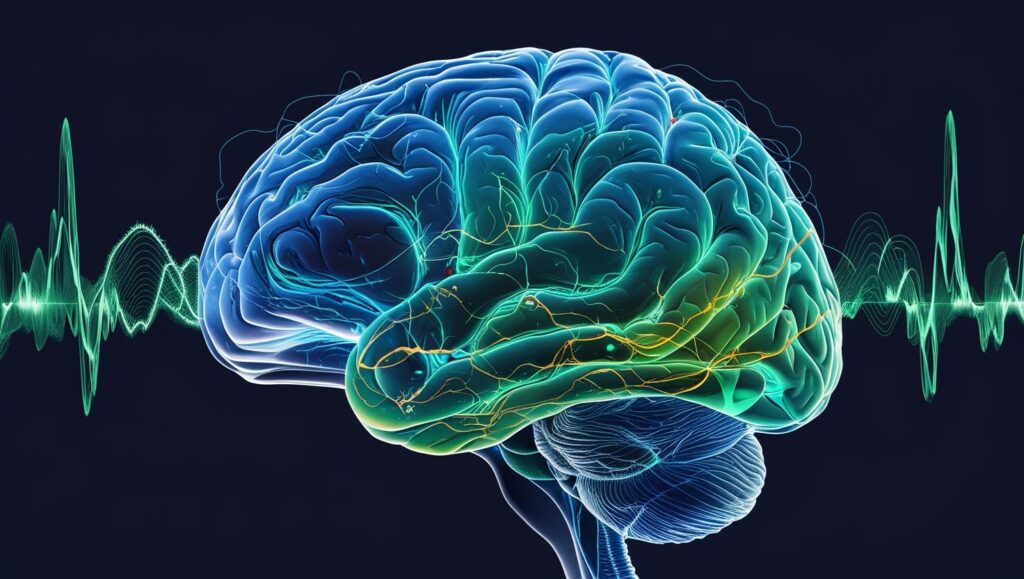
Neurohacking encompasses several distinct currents, including neurostimulation, therapeutic psychedelics, and technological meditation, each exploring in different ways the relationship between brain, technology, and mental optimization.
The seven major currents of neurohacking include:
- Neurofeedback: Brain training through visual feedback of brain waves, optimization of neural patterns to improve concentration and emotional management
- Transcranial Stimulation: Use of weak electrical currents (tDCS, tACS) to modulate neuronal activity and improve cognitive performance
- Cognitive Chronobiology: Synchronization of mental activities with natural circadian rhythms to maximize brain efficiency
- Neural Bioacoustics: Use of specific sound frequencies (binaural beats, sacred frequencies) to induce optimal mental states
- Quantified Meditation: Meditative practices guided by measurement of brain activity and physiological stress markers
- Natural Nootropics: Cognitive optimization through natural substances targeting specifically neurotransmitters and neuroplasticity
- Controlled Exposure Therapy: Stress and phobia management through gradual exposure measured with biofeedback tools
Each current of neurohacking relies on a particular understanding of the brain. Neurofeedback exploits neuroplasticity, transcranial stimulation directly modulates neuronal activity, while cognitive chronobiology respects natural biological rhythms. Bioacoustics uses neural resonance, quantified meditation combines contemplative tradition and objective measurement, natural nootropics act on brain biochemistry, and controlled exposure therapy reconfigures fear and stress circuits.
The Goals and Ambitions of Neurohackers
Neurohackers aim to push cognitive and emotional limits, improve their daily mental resilience, optimize their neurological potential, and make mental enhancement tools more accessible, outside traditional therapeutic frameworks.
| Current | Main Objectives | Main Methods |
|---|---|---|
| Neurofeedback | Improve emotional regulation, increase concentration, reduce anxiety, and optimize cognitive performance | Real-time electroencephalography (EEG), alpha/theta wave training, personalized protocols based on spectral analysis |
| Transcranial Stimulation | Modulate activity of specific brain regions, improve neuroplasticity, treat resistant depression | Transcranial direct current stimulation (tDCS), transcranial magnetic stimulation (TMS), precise targeting of cortical areas |
| Cognitive Chronobiology | Synchronize mental performance with biological rhythms, optimize wake-sleep cycles, maximize cognitive efficiency | Light therapy, melatonin cycle management, task scheduling according to natural cognitive peaks |
| General Neurohacking Objectives | Optimize mental health by controlling neurobiology, improve psychological resilience, increase cognitive performance, rebalance neurotransmitters | Modulate mood, creativity, memory, reduce chronic stress and promote an optimal mental state |
Neurohacking has evolved from early neurofeedback experiments towards more sophisticated and personalized applications. From simple curiosity about brain function, it has become a movement focused on preventive mental health, cognitive capacity optimization, and increased psychological well-being, while developing an ethical approach to neural enhancement.
Advanced Practices in Neurohacking
Neurostimulation and Brain Training
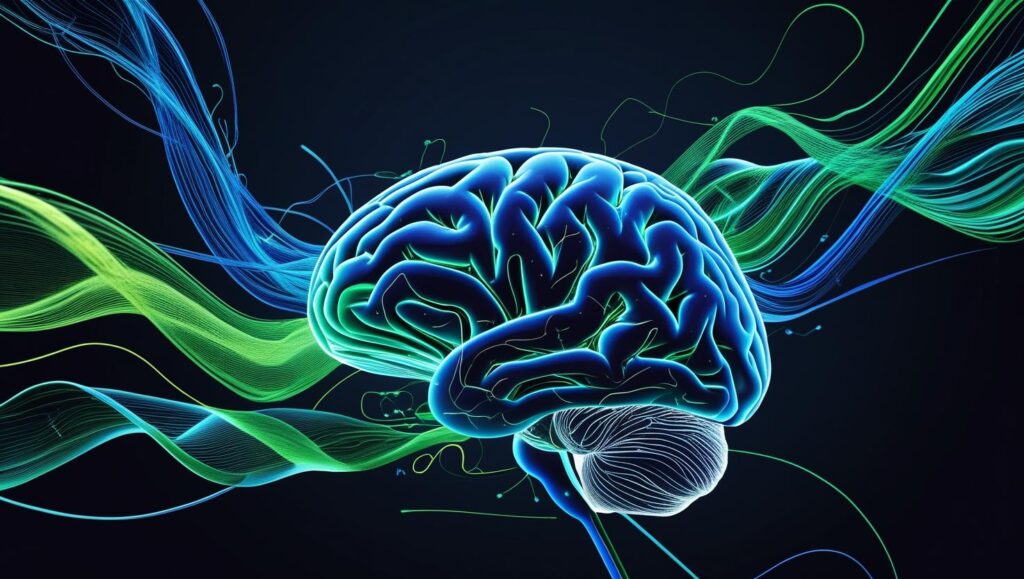
Neurohacking uses neurostimulation to directly optimize brain activity. Neurohackers favor EEG neurofeedback, transcranial stimulation, and personalized cognitive training protocols to improve concentration, creativity, and emotional balance.
Neurofeedback activates directed neuroplasticity, a mechanism by which the brain reorganizes its connections based on feedback. Transcranial stimulation modulates neuronal excitability in specific regions. According to the Journal of Neural Engineering, these techniques enhance cognitive performance and emotional regulation by optimizing communication between neuronal networks and reinforcing mental resilience circuits.
Chronobiology and Optimization of Brain Rhythms
Neurohacking practices include modulation of circadian rhythms through targeted light therapy and sleep cycle management, which synchronize brain activity and optimize mental performance by regulating melatonin and cortisol production.
Managing biological rhythms plays a crucial role in neurohacking. Exposure to specific light spectra regulates neurotransmitters and improves REM sleep quality. Morning blue light stimulates cognitive alertness, while evening red light promotes melatonin production and neural recovery, combining chronobiological optimization and mental performance.
Technological Tools of Neurohacking
Neurofeedback and Real-Time Brain Monitoring
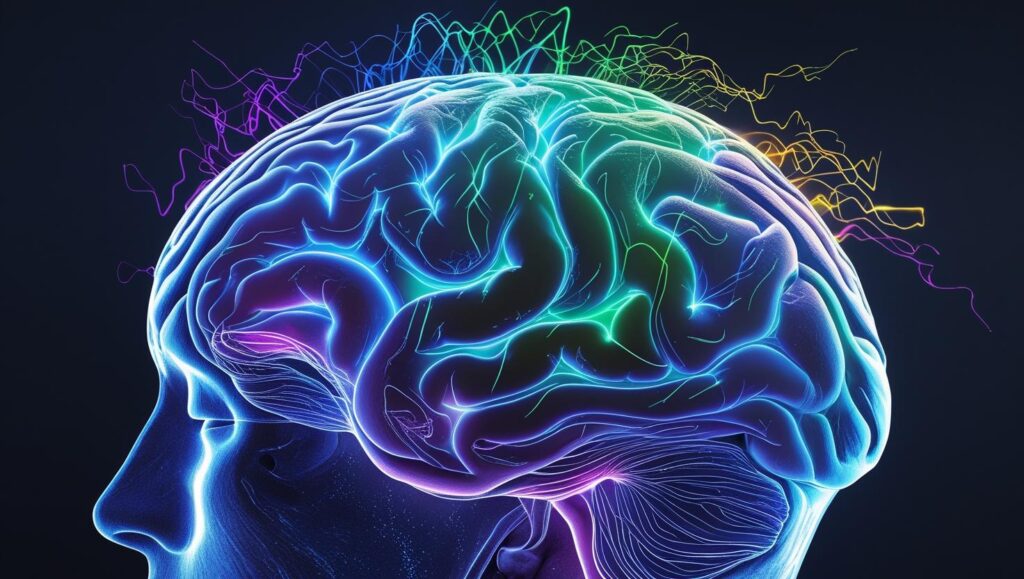
Neurohackers use neurological measurement tools to track parameters such as brain wave activity, heart coherence, stress markers, and other neurophysiological indicators to understand their brain and optimize their mental practices.
Monitoring neurobiological data allows neurohackers to adjust their protocols based on objective results. By using neurometric measurements rather than subjective impressions, you obtain a personalized approach that identifies your brain’s responses to different interventions and optimizes your mental health in a scientific and precise manner.
Nootropics and Neurochemical Modulators
Neurohackers use natural substances and nootropics to improve their cognitive performance and enhance their mental well-being, specifically targeting neurotransmitters and neural pathways involved in cognition and mood.
The eight most commonly used nootropics and neurochemical modulators include:
- Lion’s Mane: stimulates production of nerve growth factor (NGF) and enhances neurogenesis
- Phosphatidylserine: optimizes neuronal membrane fluidity and improves working memory
- Ginkgo Biloba: increases cerebral blood flow and protects against oxidative stress
- N-acetylcysteine (NAC): restores glutathione levels and regulates dopaminergic transmission
- Magnesium glycinate: calms the nervous system and improves restorative sleep quality
- Liposomal curcumin: reduces neural inflammation and stimulates neuroplasticity
- Nootropic peptides: specifically modulate AMPA and NMDA receptors for learning
- Liposomal GABA: crosses the blood-brain barrier and promotes neural relaxation
Nootropics act on the brain by modulating neurotransmitter systems, improving cerebral circulation, and protecting neurons from oxidative stress and inflammation. It is crucial to consult a neurologist or specialist before undertaking a neurohacking protocol to ensure the safety and personalized effectiveness of the interventions used.
Science, Ethics, and Perspectives of Neurohacking
Neuroscientific Foundations and Research
Neurohacking relies on academic research from MIT, Stanford, and personal experiments aiming to decode neuroplastic mechanisms. This synergy between institutional neuroscience and citizen practice is based on knowledge in neurobiology, psychopharmacology, and neurotechnology, while valuing self-experimentation as a source of therapeutic innovation.
Neurohacking influences traditional neuroscience research by introducing participatory methods and personalized protocols. The OpenBCI project exemplifies this synergy by developing open-source brain-computer interfaces. Laboratories such as “NeuroTechX” create collaborative spaces where citizens and neuroscientists exchange. These initiatives redefine the approach to mental health, strengthening psychological resilience through innovative methods born from participatory neuroscience.
Ethical Considerations and Neurotechnological Limits
Neurohacking generates ethical debates on neural self-experimentation, cognitive enhancement, and mental capacity augmentation. Practices such as self-administration of transcranial stimulation raise questions about neurological safety and individual responsibility. The democratization of neurotechnologies requires thorough reflection on cognitive and social implications, to avoid irreversible neural alterations and inequalities in access to mental enhancement.
The regulatory framework for neurohacking is evolving to oversee these emerging neurotechnological practices. In France, the ANSM monitors the use of neurostimulation devices, while at the European level, directives guide neural self-experimentation. Internationally, neurohacking codes of conduct are emerging, promoting responsible citizen neurotechnology. These self-regulation efforts aim to reconcile innovation with neurological safety, controlled citizen neuroscience, and ethics.
Mastering your mental health through neurohacking relies on personalized neural experimentation, advanced technological tools, and rigorous neuroscientific practices. By optimizing your neurotransmitters, brain rhythms, and cognitive abilities, you strengthen resilience and mental performance. Explore these methods cautiously: consult neurologists, validate your protocols through research, and transform your mental well-being for a psychologically optimized and balanced life.