
Biohacking sleep: optimizing your recovery for maximum performance
Do you sometimes wake up tired despite your eight hours of sleep, searching for a method to turn your nightly rest into a true performance tool? Sleep biohacking, a scientific and experimental approach serving circadian optimization, offers concrete solutions to improve the quality of your recovery through techniques like regulating body temperature, managing light exposure, or using advanced tracking technologies. Discover in this article how this revolutionary approach transforms your night into an optimal regeneration period, combining neuroscience and personalized practices to maximize your physical and mental abilities.
Biohacked sleep: definition and fundamental mechanisms
Sleep biohacking refers to the set of experimental practices aimed at optimizing the quality and efficiency of your nighttime recovery by mastering the biological mechanisms of rest. This approach includes various techniques such as manipulating the sleep environment, adjusting circadian cycles, using targeted supplements, or exploiting advanced technological tools. The goal is to improve cellular regeneration, strengthen memory consolidation, and optimize physical recovery through personalized methods and the analysis of precise physiological parameters.
This revolutionary approach is based on a deep understanding of the sleep phases and their impact on the body. The term “sleep hacking” emerges from the quantified self movement, fitting into a participatory biology approach where enthusiasts explore rest mechanisms outside traditional laboratories. Relying on the principles of knowledge sharing and free access to measurement tools, it promotes a personalized approach to sleep optimization while respecting natural biological rhythms.
Different approaches and strategies of sleep biohacking
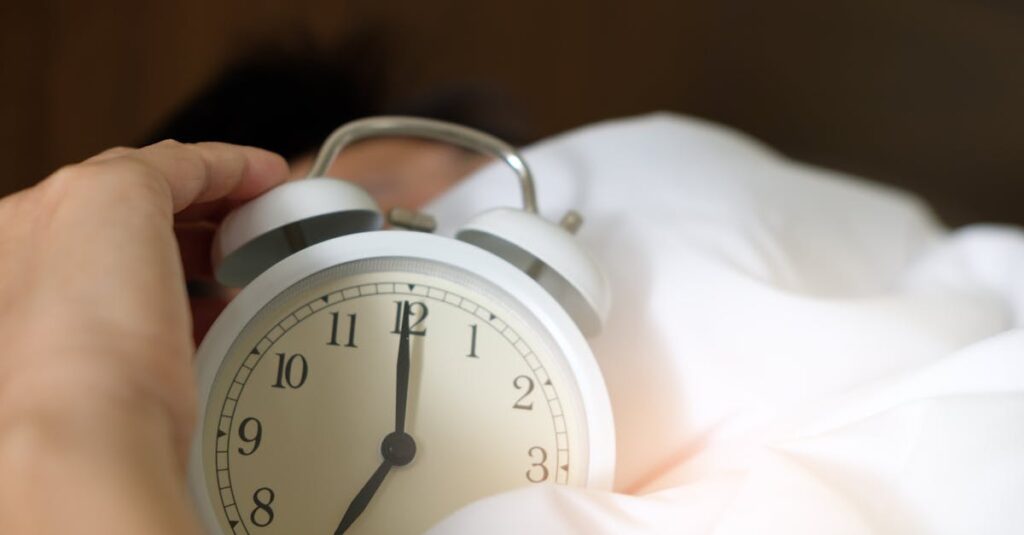
Main currents of sleep hacking
Sleep biohacking encompasses several distinct approaches, including applied chronobiology, nocturnal thermoregulation, and neurostimulation, each exploring in different ways the relationship between environment, technology, and rest optimization.
The seven major strategies of sleep biohacking include:
- Chronotherapy: Manipulating light exposure and regulating circadian rhythms to synchronize the internal biological clock
- Thermoregulation: Controlling body and environmental temperature to optimize falling asleep and deep sleep quality
- Neurostimulation: Using techniques such as magnetic or acoustic stimulation to influence brain waves during sleep
- Natural pharmacology: Targeted supplementation with melatonin, magnesium, GABA, and other substances to facilitate falling asleep and improve recovery
- Environmental optimization: Creating an ideal sleep environment by managing noise, humidity, and air quality
- Breathing techniques: Methods like 4-7-8 breathing or heart coherence to activate the parasympathetic nervous system
- Quantified Sleep: Advanced tracking of sleep parameters using wearable devices and data analysis to optimize rest cycles
Each sleep biohacking strategy relies on a particular scientific understanding. Chronotherapy is based on regulating endogenous melatonin, thermoregulation exploits natural body temperature variations, while neurostimulation directly influences brain activity. Natural pharmacology uses neurotransmitter precursors, environmental optimization creates ideal rest conditions, breathing techniques activate deep relaxation, and quantified sleep provides objective data for personalized adjustment.
Objectives and benefits of optimized sleep
Sleep biohackers aim to maximize physical and mental recovery, improve daytime cognitive performance, strengthen their immune system, and optimize longevity by transforming every night into a highly effective regeneration period.
| Approach | Main objectives | Measurable benefits |
|---|---|---|
| Chronotherapy | Synchronize circadian rhythms, reduce sleep onset latency, improve sleep-wake cycle regularity | 30-50% reduction in sleep onset time, 25% improvement in subjective sleep quality, optimized hormonal regulation |
| Thermoregulation | Optimize body temperature to facilitate falling asleep, maximize deep sleep, improve physical recovery | 15-20% increase in deep sleep, 40% reduction in nocturnal awakenings, improved muscle recovery |
| Neurostimulation | Influence brain waves, improve memory consolidation, optimize cognitive recovery | 30% improvement in long-term memory, 20% reduction in cognitive recovery time, delta wave optimization |
| General objectives | Maximize sleep efficiency, reduce required sleep time, improve daytime performance, enhance overall health | 1-2h reduction in required sleep time, 35% improvement in cognitive performance, 40% immune strengthening |
Sleep biohacking has evolved from simple sleep hygiene advice to highly personalized and technological approaches. From mere schedule regularity, it has become a movement focused on nighttime performance, recovery optimization, and increased rest efficiency, while developing a deep understanding of neurobiological mechanisms of sleep.
Advanced practices in sleep biohacking

Manipulating light and sound environment
Sleep biohacking uses precise light exposure management to optimize natural melatonin production. Biohackers employ blue light-blocking glasses, variable spectrum bulbs, and dawn simulators to perfectly synchronize their biological clock and improve their falling asleep quality.
Red light, used at the end of the day, stimulates melatonin production without disrupting circadian rhythms. According to Harvard University research, this approach improves sleep onset latency by 23 minutes on average and increases deep sleep duration by 18%. The use of white or pink noise combined with soundproofing creates an optimal sound environment to maintain sleep continuity.
Thermoregulation and physiological recovery
Advanced biohacking practices include manipulating body temperature through cold baths before bedtime or using cooling mattresses, which accelerate the body temperature drop necessary for natural falling asleep.
Temperature management plays a crucial role in sleep optimization. Lowering body temperature by 1-2°C triggers natural falling asleep mechanisms. Biohackers use thermoregulating clothing, room cooling systems, and localized cryotherapy techniques to maximize this approach’s effectiveness, combining comfort and physiological optimization.
Technologies and tools of sleep biohacking

Tracking devices and sleep data analysis
Sleep biohackers use advanced technologies to track parameters like nocturnal heart rate variability, rapid eye movements, deep sleep cycles, and recovery markers to understand and optimize their sleep architecture.
Sleep data tracking allows biohackers to identify their individual patterns and adjust their protocols based on objective results. By using precise measurements rather than subjective impressions, you gain a personalized approach that helps identify factors influencing your sleep and optimize your recovery scientifically.
Supplements and sleep protocols
Biohackers use targeted supplements and personalized protocols to improve their sleep quality and optimize their nighttime recovery, specifically targeting neurotransmitters and physiological rest mechanisms.
The eight most effective supplements and protocols include:
- Extended-release melatonin: regulates circadian rhythms and improves sleep continuity
- Magnesium glycinate: promotes muscle and nerve relaxation, facilitates falling asleep
- Liposomal GABA: activates the parasympathetic nervous system and reduces nighttime anxiety
- L-theanine: improves sleep quality without morning drowsiness
- 5-HTP: serotonin precursor, improves mood and rest quality
- Ashwagandha: reduces nocturnal cortisol and improves stress recovery
- Glycine: lowers body temperature and improves subjective sleep quality
- Collagen peptides: promote muscle recovery and tissue regeneration
These supplements act on different aspects of sleep by modulating neurotransmitters, promoting relaxation, and optimizing recovery processes. It is essential to consult a healthcare professional before starting a supplementation protocol to ensure safety and personalize the approach according to your specific needs.
Science, research, and perspectives of sleep biohacking
Scientific foundations and innovations
Sleep biohacking relies on cutting-edge neuroscientific sleep research conducted at institutions like Stanford University and MIT, as well as personal experiments aimed at optimizing nighttime recovery. This synergy between academic research and citizen practice is based on in-depth knowledge of chronobiology, neuroplasticity, and sleep physiology, while valuing self-experimentation as a source of innovation.
Sleep biohacking influences traditional scientific research by introducing continuous measurement methods and personalized approaches. Projects like “Sleep Foundation” and specialized citizen sleep labs create collaborative spaces where enthusiasts and researchers exchange. These initiatives redefine the approach to nighttime recovery, developing innovative protocols arising from this participatory science of sleep.
Ethical considerations and limits of sleep hacking
Sleep biohacking raises debates about self-experimentation with unvalidated technologies, the use of unregulated supplements, and the risks of disturbing natural rhythms. Practices such as excessive use of brain stimulators or supplement cocktails question long-term safety. The democratization of neurostimulation technologies requires a thorough reflection on neurological and behavioral implications to avoid consequences on sleep health.
The framework for responsible use of sleep biohacking evolves to regulate these innovative practices. Specialized associations collaborate with sleep experts to define secure protocols. At the international level, recommendations guide sleep self-experimentation, promoting a responsible scientific approach. These self-regulation efforts seek to reconcile innovation and safety, controlled sleep optimization.
Mastering your sleep through biohacking relies on understanding your biological rhythms, using precise technological tools, and applying personalized scientific protocols. By optimizing your sleep environment, adjusting your light exposure, and monitoring your recovery parameters, you transform your night into a maximum regeneration period. Explore these methods gradually: consult sleep specialists, validate your approaches through measurement, and revolutionize your nighttime recovery for optimal daytime performance.